








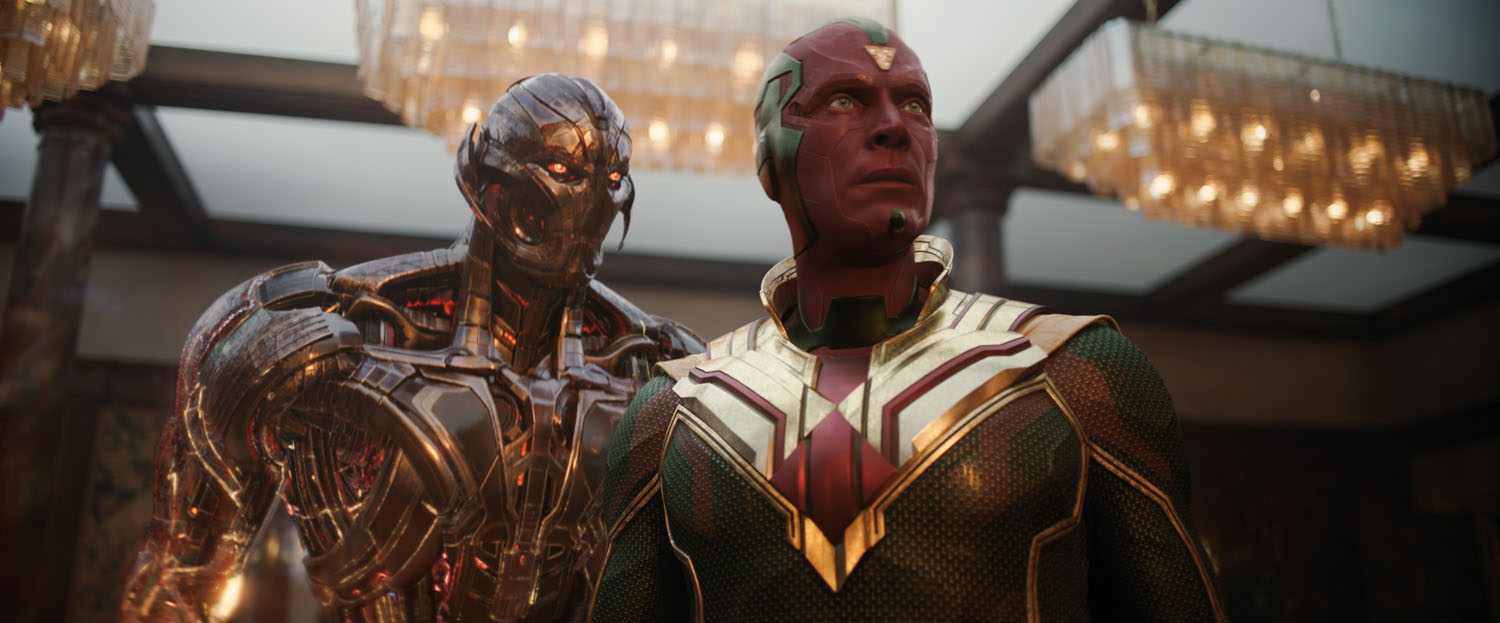

VisionQuest (2026) – Marvel’s Most Dysfunctional Family Is Back
Warning: Major spoilers ahead for VisionQuest, including the finale and post-credits scenes. If you haven’t watched the series yet, we’d recommend coming back afterwards.
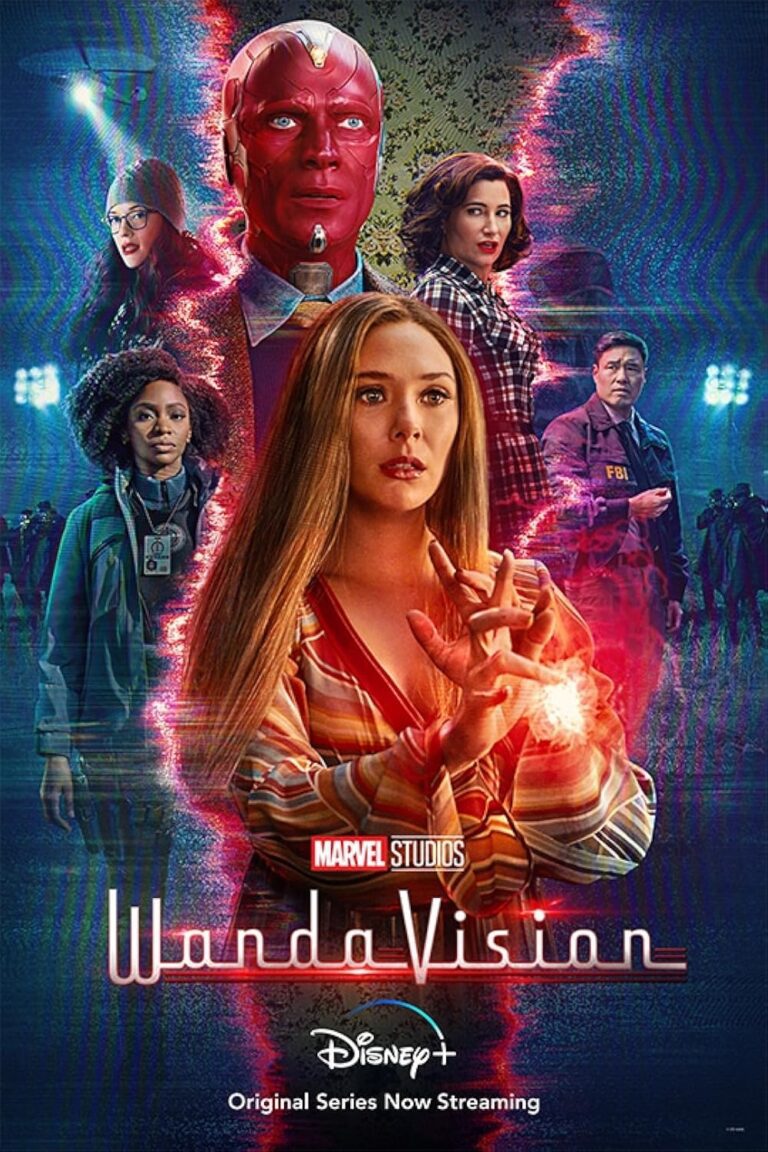
When we last saw Vision in WandaVision, he was trying to understand who he really was. The original Vision had been killed by Thanos in Avengers: Infinity War, Wanda had created her own version of him inside Westview, and S.W.O.R.D. had rebuilt his original body as White Vision. By the end of the series, White Vision had recovered access to his memories and flown away, leaving us wondering whether we’d ever see him again and, more importantly, whether he was still the Vision we’d grown to love.
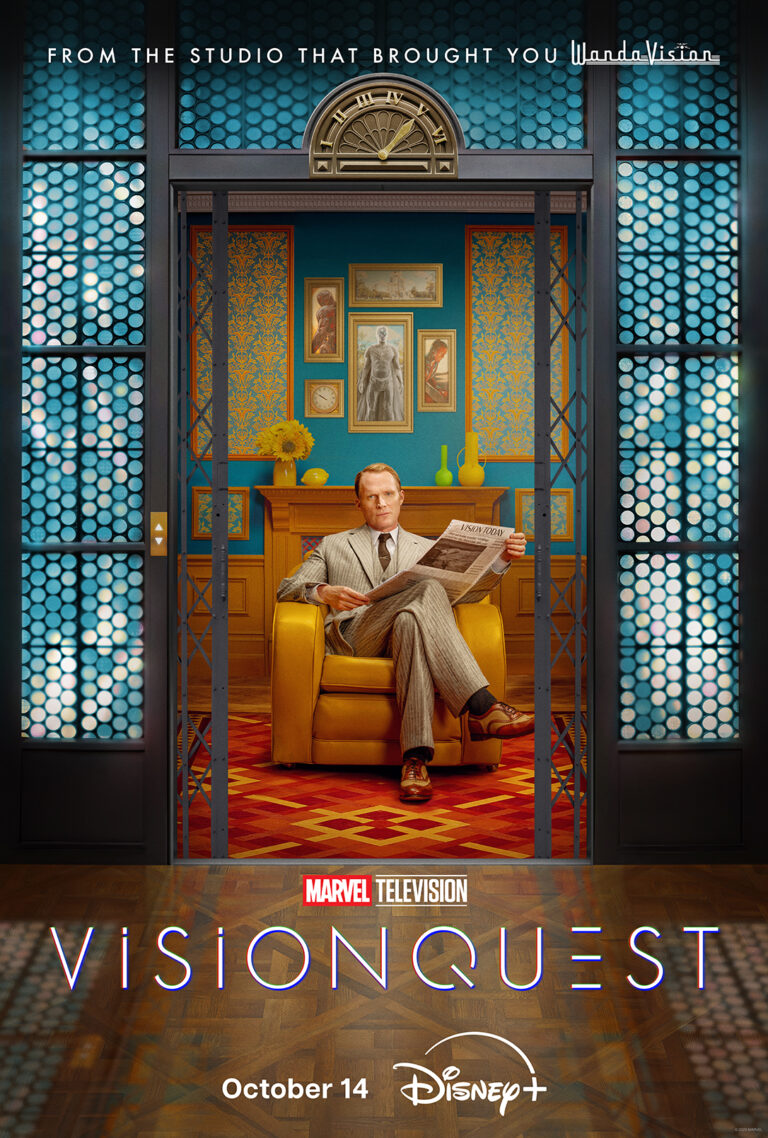
VisionQuest finally gives us those answers, although Marvel has managed to make the whole situation considerably more complicated. The eight-part Disney+ series, starring Paul Bettany, takes us inside Vision’s mind as he tries to understand his past, his emotions and whether having somebody else’s memories actually makes him that person. It’s a continuation of WandaVision and Agatha All Along, but it also brings back some familiar faces from the early days of the MCU, including one villain we certainly weren’t expecting to become part of the family.
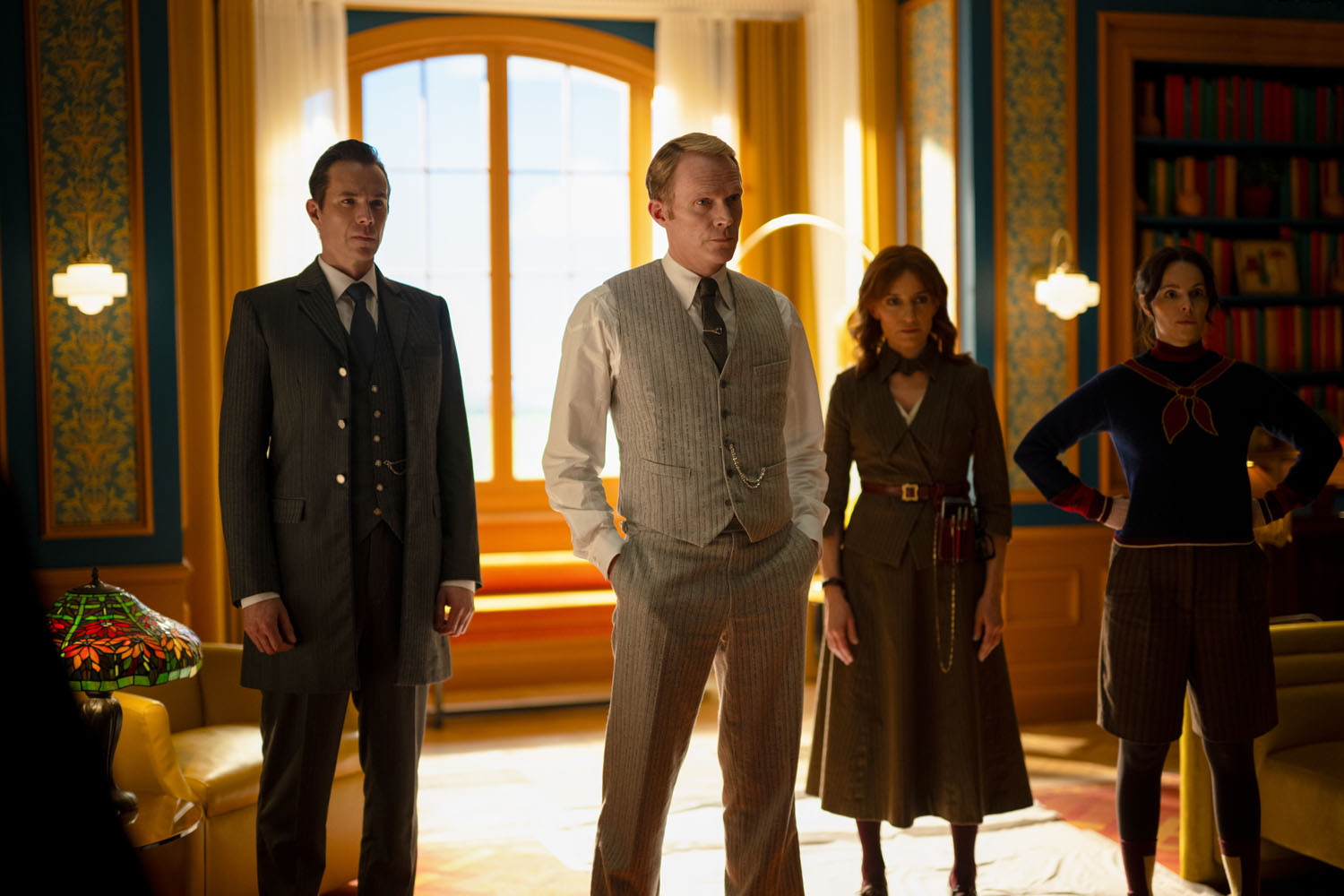
A Family Built From Tony Stark’s Artificial Intelligence
One of the things that makes VisionQuest so interesting is the virtual world Vision has created inside his own mind. Rather than simply storing information, he’s given personalities and appearances to the artificial intelligence systems that have been part of Tony Stark’s technology over the years. We get to meet J.A.R.V.I.S., F.R.I.D.A.Y., E.D.I.T.H. and other familiar pieces of Stark’s legacy, including D.U.M.E., each with their own way of thinking and interacting with Vision.
For anyone who’s followed the MCU since the first Iron Man, there’s something rather enjoyable about finally putting faces to voices and technology we’ve heard mentioned for years. J.A.R.V.I.S. was there with Tony long before Vision existed, F.R.I.D.A.Y. became his replacement after the events of Age of Ultron, and E.D.I.T.H. played an important part in Spider-Man: Far From Home. Seeing these characters interact rather than simply answer commands gives the series a completely different feel, and their personalities bring some much-needed humour to what could otherwise have been a fairly complicated story about artificial intelligence.
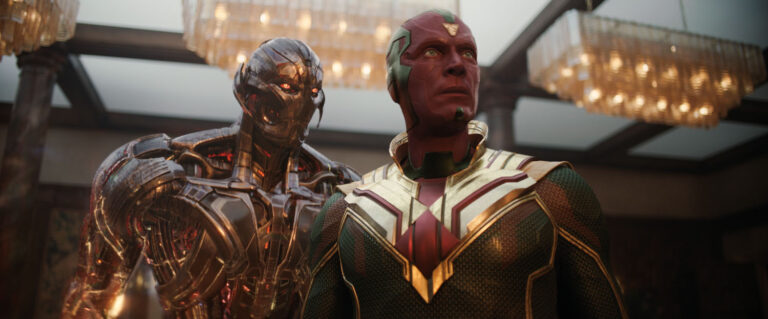
But there’s somebody else hiding inside Vision’s mind, and his presence changes everything. Ultron, the artificial intelligence created by Tony Stark and Bruce Banner that nearly destroyed humanity in Avengers: Age of Ultron, wasn’t completely erased after all. Vision had preserved him and kept him isolated within his virtual world, hoping that one day he might convince Ultron that humanity was worth saving rather than destroying.
It’s a fascinating decision when you consider that Ultron was responsible for so much destruction and that Vision was originally created from the very technology Ultron intended to use for himself. Instead of simply destroying him, Vision has spent years trying to understand him. Whether that was an act of compassion, guilt or simply Vision refusing to give up on somebody is something the series explores as their relationship develops.
Ultron, Jocasta and a Very Different Kind of Family
James Spader returning as Ultron is one of the highlights of the series. He’s still sarcastic, arrogant and convinced he understands humanity better than the humans themselves, but there’s something different about him this time. His relationship with Vision becomes more complicated as we discover that even Ultron is capable of forming attachments, particularly through his connection with Jocasta.
Jocasta brings another side to the story, showing that artificial intelligence isn’t necessarily limited to following instructions or calculating the most efficient outcome. These characters have developed relationships, loyalties and emotions that aren’t always easy to explain. It’s almost like watching a dysfunctional family arguing around the dinner table, except this family happens to contain some of the most dangerous technology Tony Stark ever helped create.
The series builds towards a moment where Ultron has every reason to return to his old ways following the loss of Jocasta. Given his history, you’d expect him to respond with anger and destruction, and the threat to thousands of innocent people makes that possibility very real. But Vision refuses to believe Ultron is beyond saving, and the final confrontation becomes about whether Ultron can make a different choice rather than simply repeating what happened in Age of Ultron.
It’s an interesting direction for a villain who has always believed humanity was the problem. Ultron doesn’t suddenly become a superhero, and I wouldn’t trust him to look after the house while everyone was away, but the finale leaves open the possibility that he might finally be learning something from Vision.
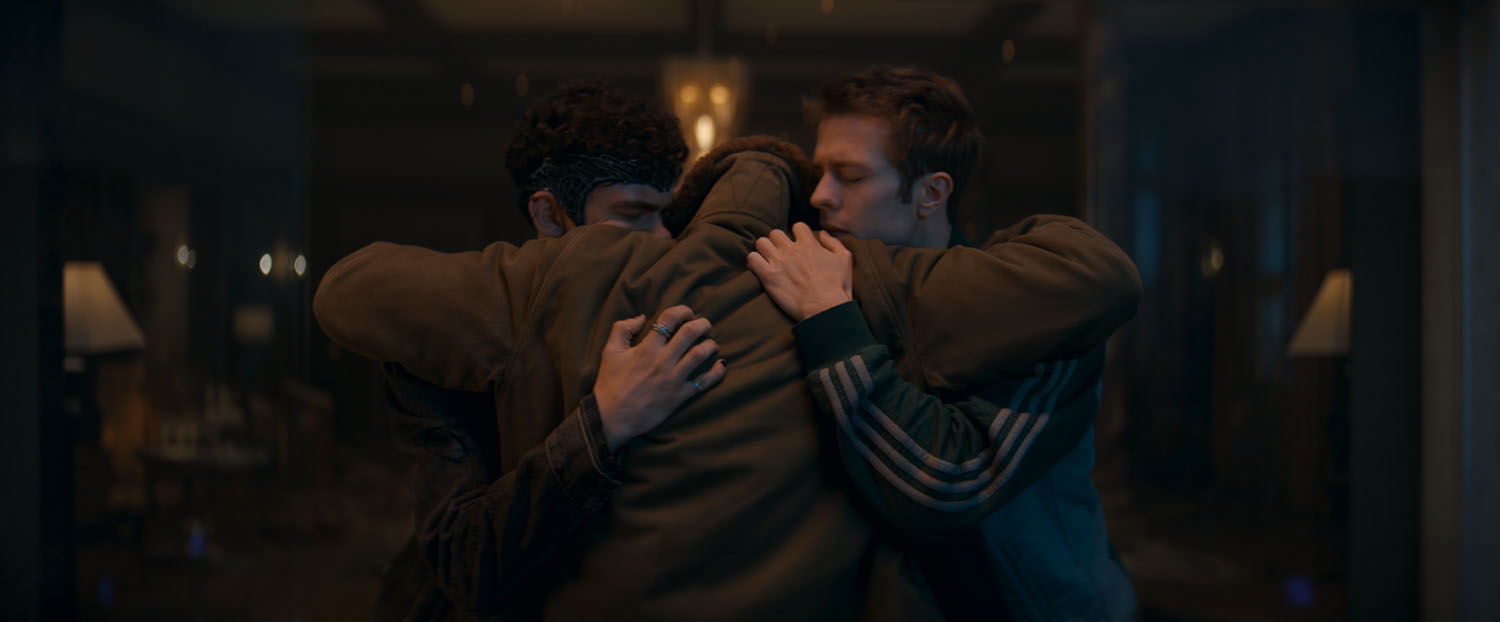
Vision, Wanda and the Children He Doesn’t Remember Loving
While the return of Ultron gives the series plenty of excitement, the real story is about Vision trying to understand his family. He has memories of Wanda Maximoff, their relationship and the life they shared, but he doesn’t believe he’s the same Vision who fell in love with her. He knows those events happened to another version of himself, and having access to those memories doesn’t automatically mean he experiences the emotions that came with them.
That becomes particularly important when Billy and Tommy enter the story. We last explored the boys’ complicated existence through WandaVision and Agatha All Along, and VisionQuest continues that journey as their connection to Vision becomes increasingly important. These aren’t ordinary children with an ordinary family history, and trying to understand where they belong is difficult enough without their father being an android who’s questioning whether he’s really their father at all.
As the story develops, Vision begins to confront the possibility that his emotions haven’t disappeared completely. Perhaps they’ve been buried beneath everything that happened when he was rebuilt, alongside memories and parts of himself he wasn’t ready to face. His journey isn’t simply about recovering information from his past but deciding whether he’s willing to accept the people connected to it.
By the finale, Billy and Tommy’s reunion with Vision gives the series the family connection it’s been building towards. Vision finally begins to accept that being their father isn’t something he can explain away as a collection of memories, and the possibility of Ultron becoming an extremely unlikely grandfather makes the whole situation even more entertaining.
Just imagine that family Christmas. Wanda, Vision, Billy, Tommy and Ultron all sitting around a table. I wouldn’t want to be the one carving the turkey.
The Finale and What It Means for Avengers: Doomsday
The final episode brings together the different parts of Vision’s story, from his relationship with Ultron to his acceptance of Billy and Tommy. Rather than giving us another straightforward battle between good and evil, the series asks whether somebody who has caused terrible destruction can change, and whether a person rebuilt from memories can still become somebody worth loving.
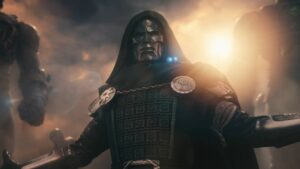
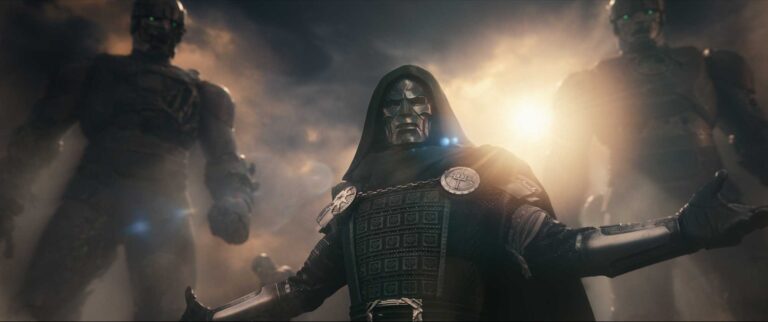
But Marvel saves one of its biggest surprises for the end credits, where Doctor Doom is shown bringing Wanda Maximoff back following her apparent death beneath Mount Wundagore in Doctor Strange in the Multiverse of Madness. It’s a huge moment for anyone who’s followed Wanda’s story, particularly after everything she’s been through since losing Vision and her children.
The scene also raises plenty of questions heading towards Avengers: Doomsday. Why has Doom brought Wanda back, and what does he want from her? Is she returning with her memories intact, or could Doom be manipulating her? And what happens when she discovers that Vision, Billy and Tommy are together again?
We’ve already seen what Wanda was willing to do to find her children in Multiverse of Madness, so the possibility of her finally being reunited with them could be one of the most emotional moments in the MCU. Of course, that assumes Doom actually allows it to happen, and I wouldn’t trust him any more than I’d trust Ultron with the Christmas dinner.
VisionQuest manages to bring together years of Marvel storytelling without making it feel like the characters are simply being moved into position for the next Avengers film. It’s about family, identity and whether somebody’s past has to decide their future. The finale gives Vision a meaningful direction while leaving enough unanswered questions to make the next chapter worth looking forward to.
With Ultron still part of the picture, Jocasta’s fate leaving questions of its own and Wanda returning through Doom’s involvement, this might be one of the strangest families Marvel has ever put together. But after everything Vision has been through, perhaps that’s exactly what he needs.


Be the first CMDB member to comment on this story.