



 10
10
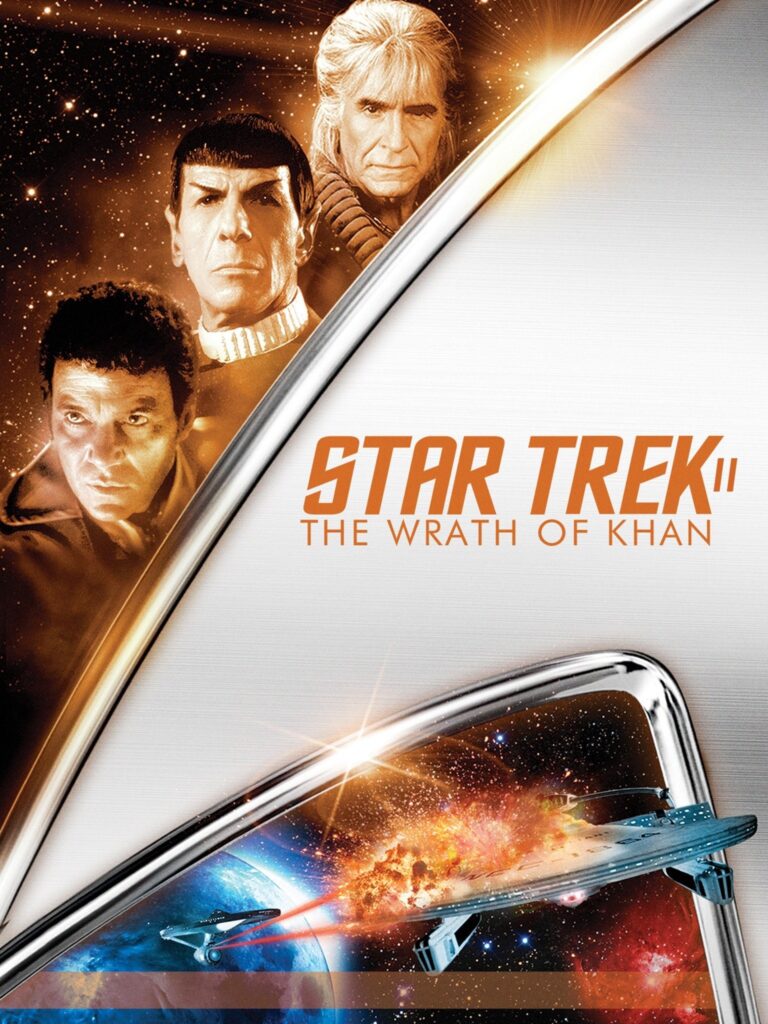
Star Trek II: The Wrath of Khan
1982
The living side of CMDB — guides, opinions and the fans making noise right now.
The newest stories land here automatically, with the most-read stories alongside them.
 Comic NewsOctober 2026 Movies & TV Series: What Comic and Geek Fans Should Watch
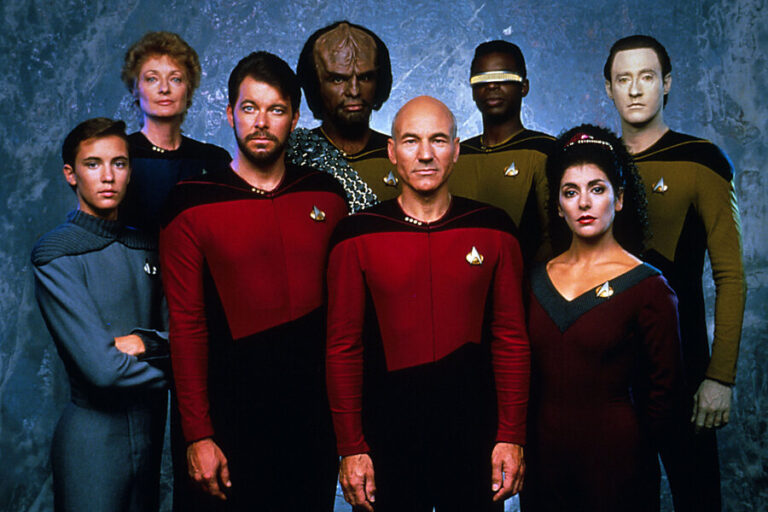 Comic NewsStar Trek’s New Reboot Could Make Starfleet the Villain – And That’s a Bold Move
 Marvel NewsDoctor Doom stolen lives meaning
 Marvel NewsVisionQuest Trailer Reveals James Spader’s Human Ultron and Vision’s Next MCU Chapter
 Comic NewsAhsoka Season 2 Teaser Unleashes Thrawn’s War and Confirms January 2027 Premiere
New additions, the films fans rate highest and box-office leaders — all driven by CMDB data.
 A Minecraft Movie (2025)2025
 Doctor Who (1996)1996
 Matchbox The Movie2026
 Star Trek: The Motion Picture1979






Recently added shows and the series CMDB fans are rating highest.
Comic Movie DB
Star Trek has been exploring the final frontier on the big screen for decades, taking several generations of Enterprise crews from television into ambitious cinematic adventures.
Some Star Trek movies became science-fiction classics, while others divided even the franchise's most dedicated fans. From Kirk facing Khan and Picard battling the Borg to the alternate Kelvin timeline, we have ranked the Star Trek movies from weakest to strongest.
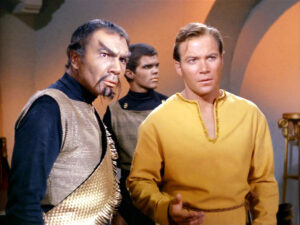
The Wrath of Khan takes everything that makes Star Trek work and builds an intensely personal story around it. Ricardo Montalban's Khan returns seeking revenge against Kirk, transforming the adventure into a battle between two ageing commanders trying to outthink each other.
What elevates the movie beyond its space battles is its emotional weight. Kirk is forced to confront age, regret and mortality, while Spock's sacrifice delivers one of the most memorable endings in science-fiction cinema.
More than four decades later, The Wrath of Khan remains the Star Trek movie every new entry has to beat.
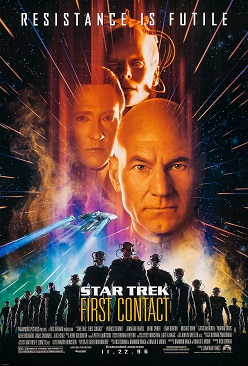
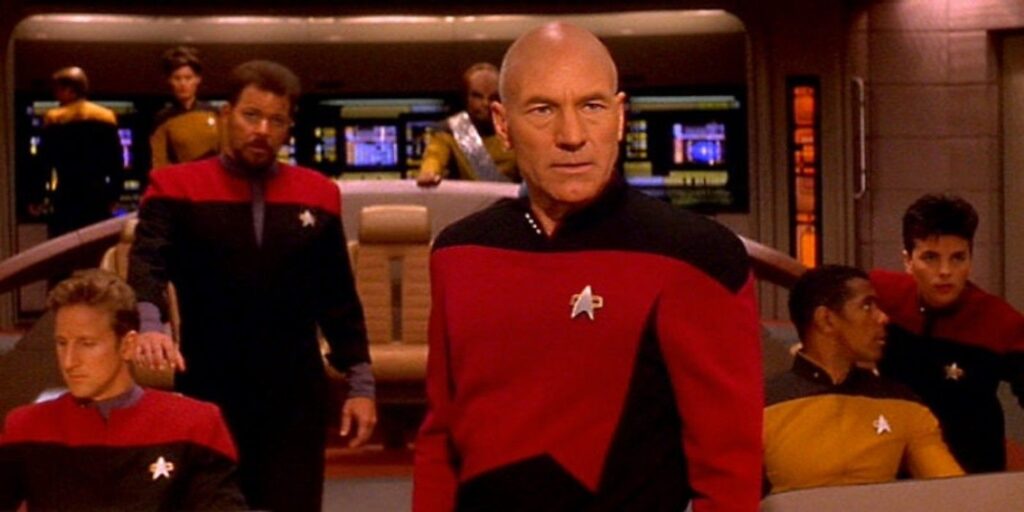
First Contact gives The Next Generation crew their strongest cinematic adventure and turns the Borg into a genuinely terrifying big-screen threat.
Picard's history with the Borg makes the conflict deeply personal, while the story on Earth explores humanity's first contact with the Vulcans and one of the most important events in Star Trek history.
It successfully combines action, horror, humour and classic Star Trek optimism, making First Contact one of the easiest franchise movies to recommend.
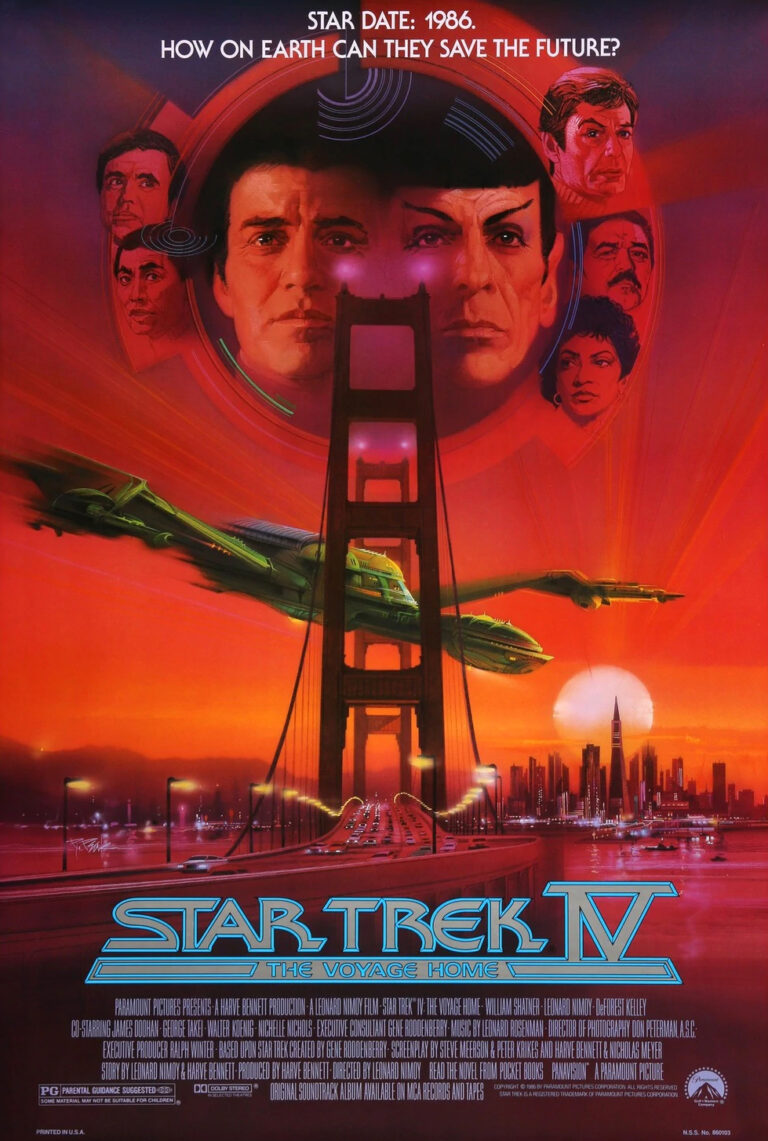
The Voyage Home proves that Star Trek does not need enormous space battles to make a brilliant movie. Kirk and his crew travel back to 1980s San Francisco to find humpback whales capable of responding to a mysterious probe threatening Earth.
The fish-out-of-water comedy gives the original cast some of their funniest material while the environmental story remains unmistakably Star Trek.
It is warm, accessible and endlessly rewatchable, even for viewers who would not normally consider themselves Star Trek fans.
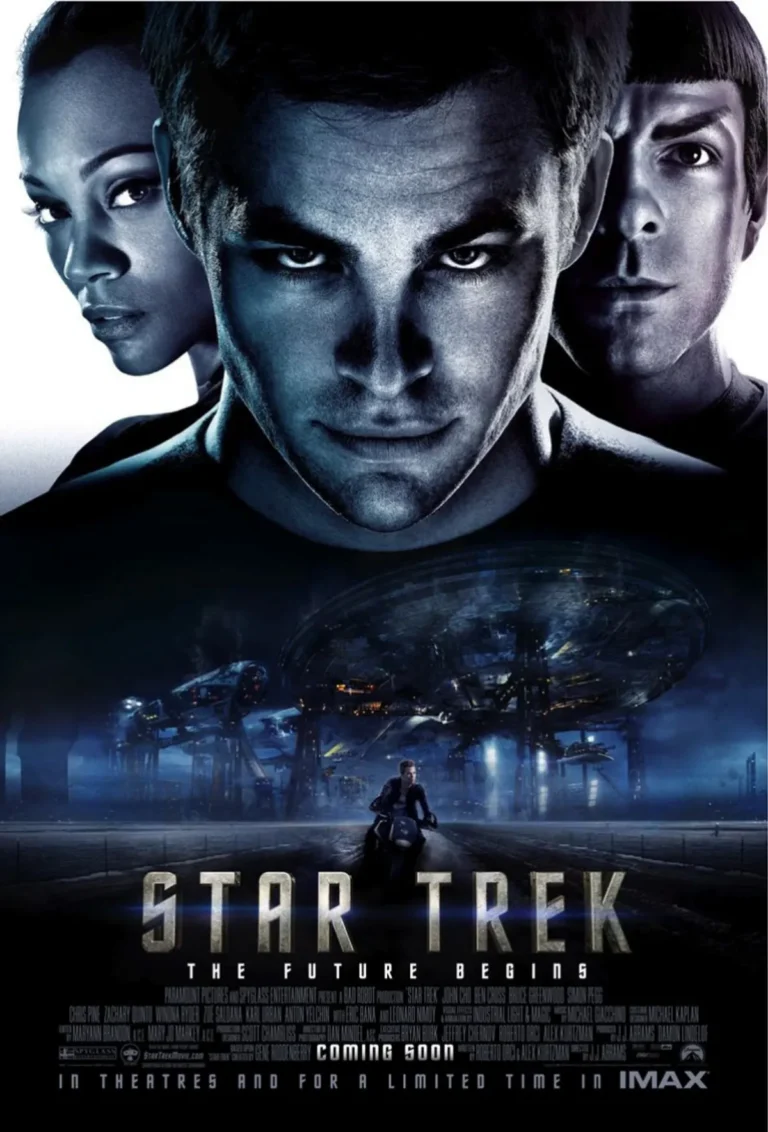
J.J. Abrams successfully rebooted Star Trek without erasing everything that came before it. The destruction of the USS Kelvin creates an alternate timeline, allowing younger versions of Kirk, Spock and the Enterprise crew to follow a different path.
Chris Pine and Zachary Quinto make the characters their own, while Leonard Nimoy provides an emotional connection between the new timeline and classic Star Trek.
Fast, funny and accessible, Star Trek introduced an entirely new generation to the Enterprise.
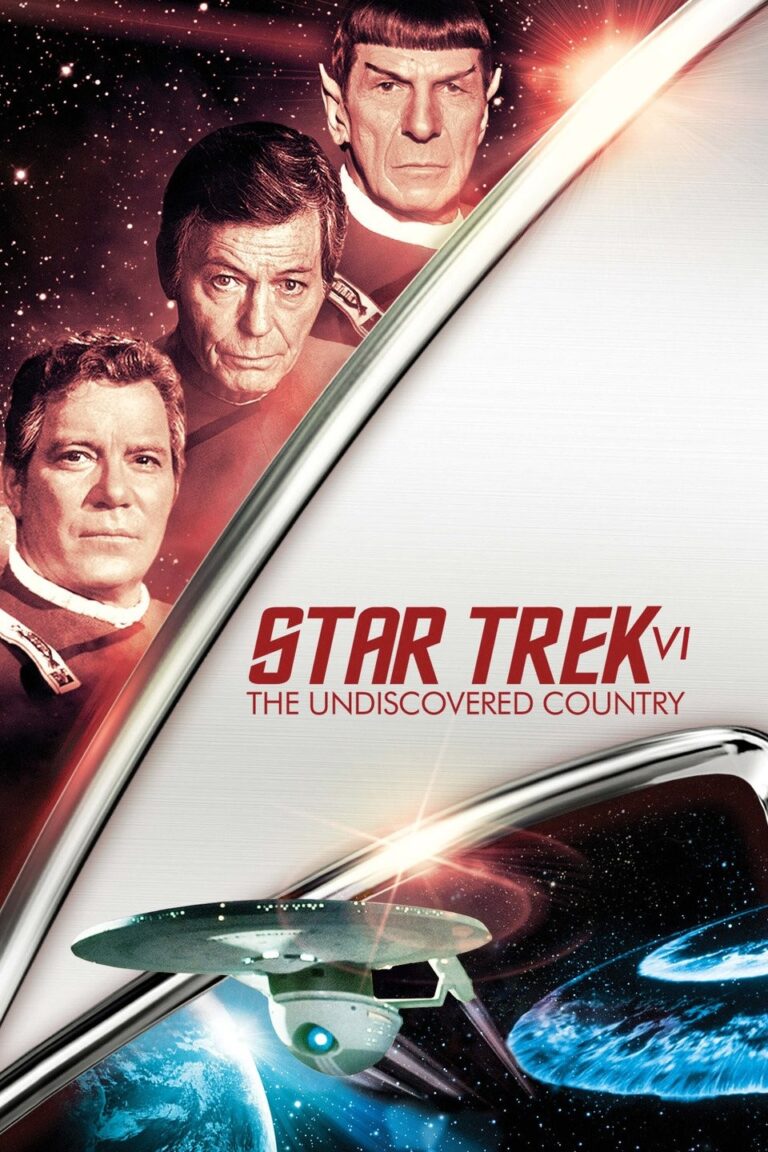
The final movie centred entirely on the original crew gives Kirk, Spock and their friends a fitting farewell.
With the Federation and Klingon Empire attempting to establish peace, the movie uses conspiracy and political tension to examine prejudice, change and what happens when lifelong enemies are suddenly expected to coexist.
Knowing that the cast were approaching the end of their journey adds another layer to a story already concerned with whether an older generation can accept a changing universe.
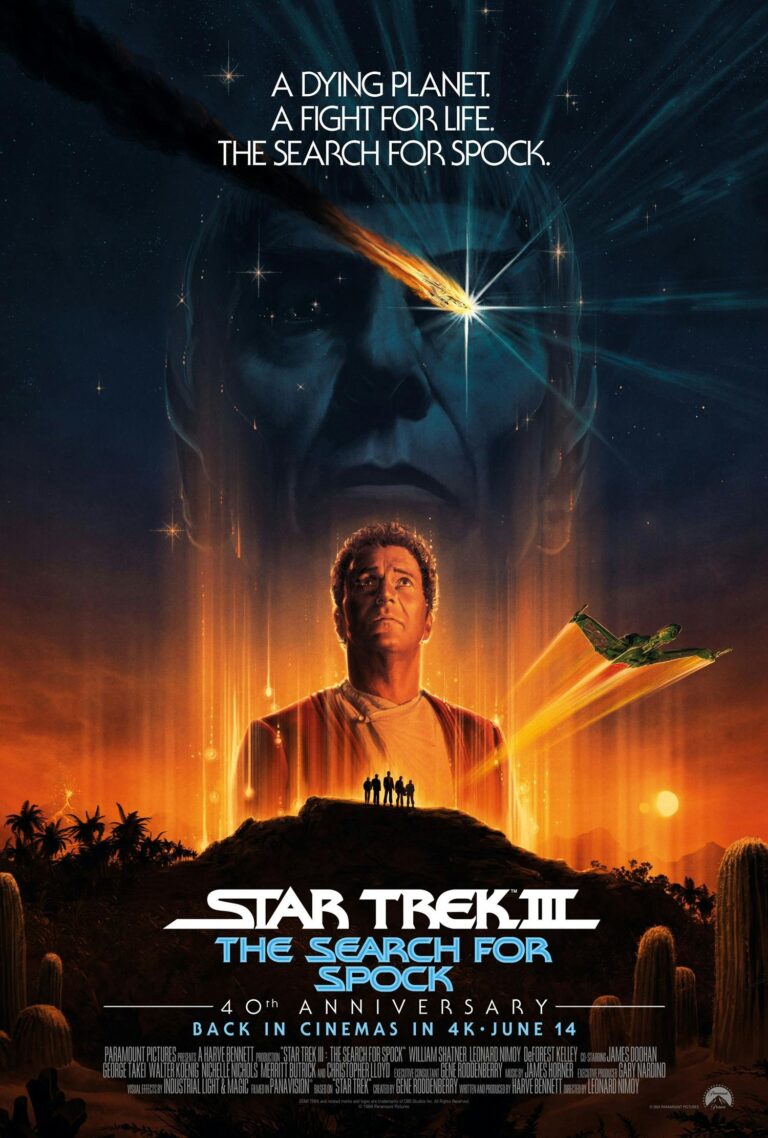
The Search for Spock has the difficult task of following one of Star Trek's greatest endings without simply undoing its emotional impact.
Kirk and his crew risk their careers to recover Spock, resulting in the destruction of the Enterprise and another devastating personal loss for Kirk.
It works particularly well when watched directly after The Wrath of Khan and before The Voyage Home, effectively forming the middle chapter of a Star Trek movie trilogy.
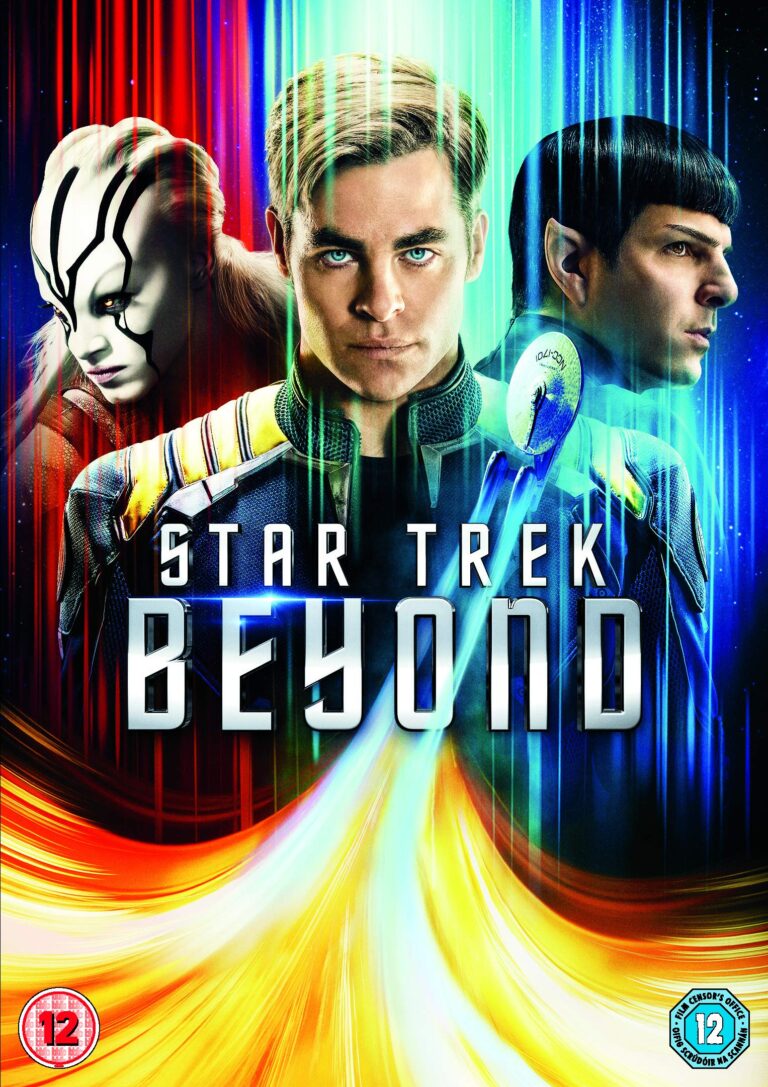
Star Trek Beyond feels closer to the exploratory spirit of classic Trek than either of the previous Kelvin timeline movies.
Destroying the Enterprise early forces the crew apart and allows characters such as Kirk, Spock, McCoy and Scotty to operate in unusual combinations before eventually coming back together.
The result is a colourful, energetic adventure that understands the Enterprise crew are strongest because of their relationships rather than simply their ship.
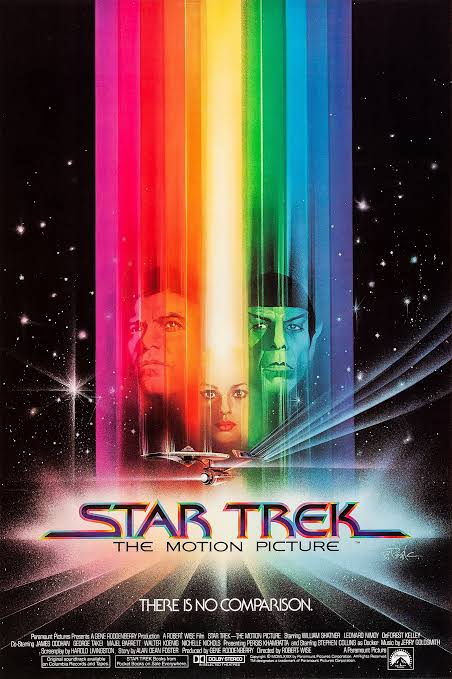
The Motion Picture is one of the most ambitious Star Trek films and one of the most divisive. Its slow pace and extended visual sequences are dramatically different from the action-driven movies that followed.
However, its story about encountering something genuinely unknown captures the exploratory philosophy at the heart of Star Trek.
Viewers willing to embrace its deliberate pace will find an ambitious science-fiction story that feels unlike almost every other film in the franchise.
Generations performs the seemingly impossible task of bringing Captain Kirk and Captain Picard into the same movie.
The meeting between two legendary Enterprise captains provides the film's biggest attraction, while the destruction of the Enterprise-D gives The Next Generation crew its first major cinematic moment.
The crossover does not reach the heights its premise suggests, but seeing Kirk and Picard together ensures Generations remains an important chapter of Star Trek history.
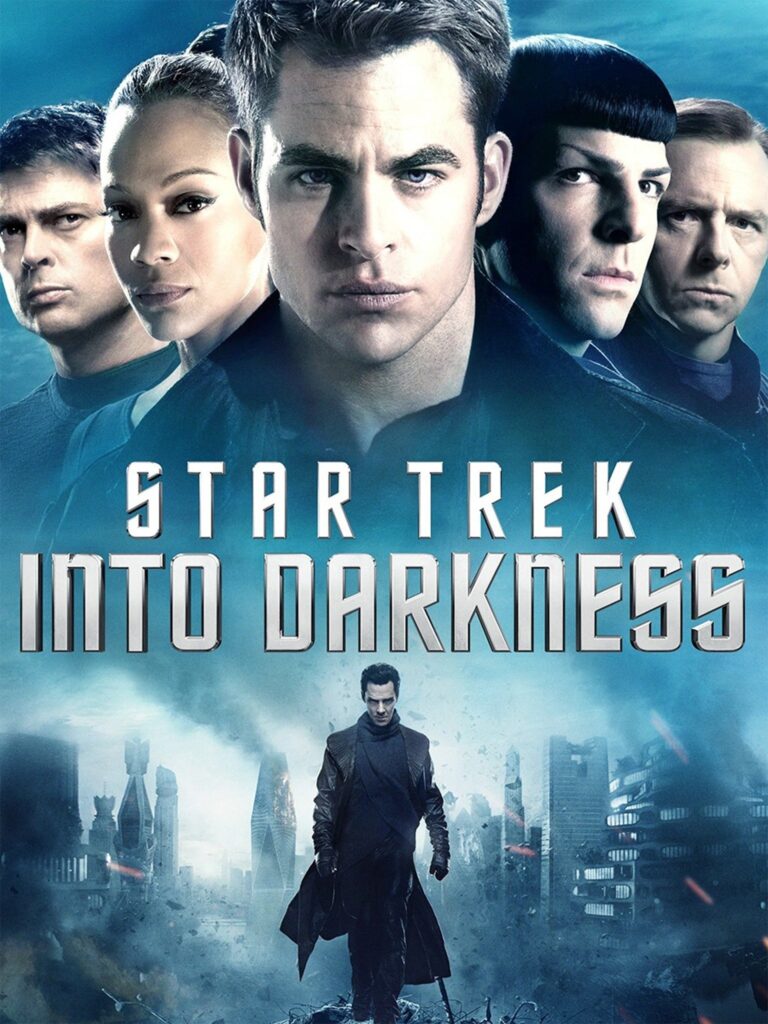
Star Trek Into Darkness delivers impressive action and strong performances from the Kelvin timeline cast, but its attempt to revisit ideas from The Wrath of Khan inevitably invites comparison with one of the franchise's greatest movies.
Benedict Cumberbatch brings intensity to Khan, while the relationship between Kirk and Spock remains the emotional centre of the story.
As a blockbuster it is extremely entertaining, even if its connections to classic Star Trek occasionally work against it.
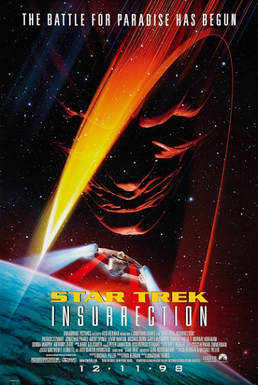
Insurrection often feels more like an extended episode of The Next Generation than a major cinematic event, but that is not necessarily a bad thing.
Picard and his crew rebel against Starfleet when they discover a plan to forcibly relocate the peaceful Ba'ku population.
The smaller scale prevents it from matching First Contact, but its moral conflict feels unmistakably like classic Star Trek.
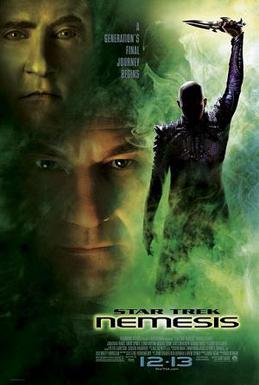
Nemesis attempts to give Picard a dark reflection through Shinzon while also delivering the final theatrical adventure of The Next Generation crew.
There are memorable ideas and an emotional sacrifice from Data, but the movie struggles to give several members of the Enterprise crew enough to do.
Later Star Trek stories would revisit some of its consequences, giving Nemesis greater significance within Picard's wider story.
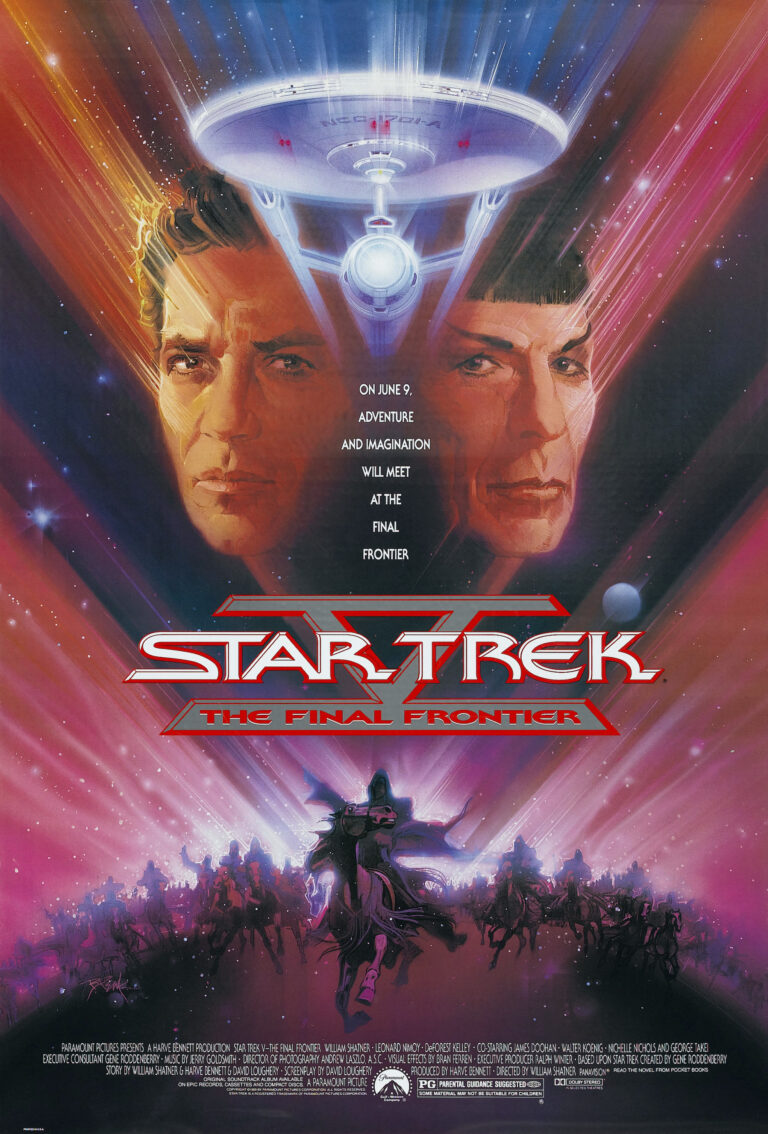
The Final Frontier contains some genuinely interesting ideas about faith, pain and the relationship between Kirk, Spock and McCoy, but the finished movie never fully delivers on its ambitious premise.
Spock's half-brother Sybok takes control of the Enterprise while searching for a mysterious being he believes to be God.
Its flaws are significant, but the quieter character moments between the three central friends prevent it from being completely without merit.
Section 31 takes Star Trek into espionage territory with a story centred on the Federation's controversial secret organisation.
Its tone is deliberately different from the traditional Enterprise adventures, focusing on covert operations rather than exploration.
That experimentation gives the movie its own identity, although viewers looking for the optimistic exploration associated with classic Star Trek may find it further removed from the franchise's traditional strengths.
The Wrath of Khan is our highest-ranked movie featuring the original Enterprise crew. Its combination of a memorable villain, personal consequences and the relationship between Kirk and Spock makes it the defining Star Trek film.
The Voyage Home provides its closest competition by showing a completely different side of the franchise, while The Undiscovered Country gives the original crew an excellent farewell.
First Contact comfortably takes our top position among The Next Generation movies.
The Borg provide the crew with their strongest cinematic enemy, while Picard's trauma following his assimilation gives Patrick Stewart some of his best material outside the television series.
The 2009 Star Trek reboot remains our favourite of the Kelvin timeline trilogy. It successfully introduces an entirely new cast while using the alternate timeline to respect the history of the original characters.
Star Trek Beyond comes close because of its stronger focus on exploration and the Enterprise crew working together, while Into Darkness offers the trilogy's darkest adventure.
You do not need to watch every Star Trek movie to understand why the franchise has survived for generations.
If you only want the essential big-screen adventures, these five movies showcase the original crew, The Next Generation and the Kelvin timeline while capturing several very different sides of Star Trek.
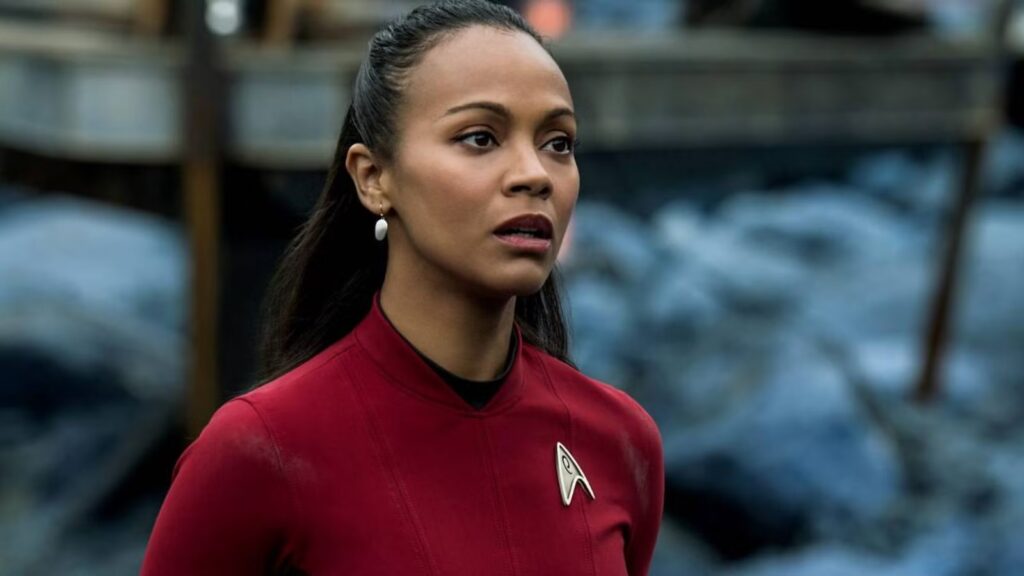
The most successful Star Trek movies understand that bigger does not automatically mean better. Star Trek works when spectacular science-fiction ideas are built around characters facing difficult moral or personal choices.
The Wrath of Khan is ultimately about Kirk confronting age and the consequences of his past. First Contact uses the Borg to explore Picard's trauma and desire for revenge. The Voyage Home removes almost every traditional Star Trek battle and succeeds because audiences simply enjoy spending time with its characters.
That is also why ranking Star Trek can be difficult. The Motion Picture and The Voyage Home barely feel like they belong to the same genre, yet both represent important parts of what Star Trek can be.
If you are discovering the franchise for the first time, visit our Star Trek Movies and Series in Order guide to see how the different crews, movies and timelines connect.
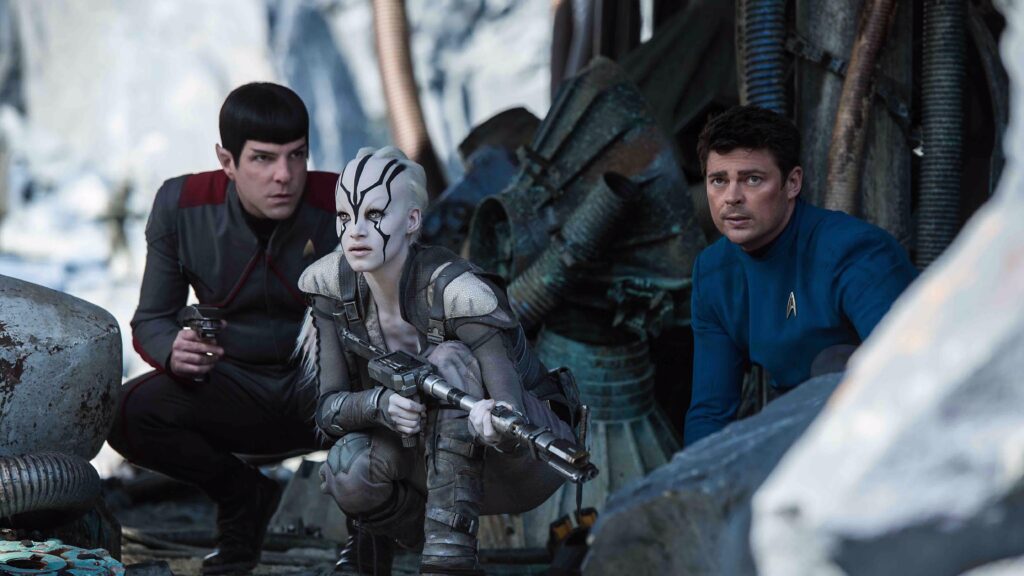
Star Trek II: The Wrath of Khan takes our number one position because of its emotional story, memorable villain and exploration of Kirk and Spock's friendship.
New viewers can begin with Star Trek II: The Wrath of Khan if they know the original characters, while Star Trek from 2009 is one of the easiest standalone introductions for complete newcomers.
Star Trek II: The Wrath of Khan is our highest-ranked movie centred on William Shatner's Captain Kirk.
Star Trek: First Contact is our highest-ranked movie featuring Patrick Stewart's Captain Jean-Luc Picard and The Next Generation crew.
Star Trek from 2009 is our favourite of the Kelvin timeline movies, followed closely by Star Trek Beyond.
Khan appears as the central villain in Star Trek II: The Wrath of Khan. A different version of the character appears in the Kelvin timeline movie Star Trek Into Darkness.
The Borg are the primary threat in Star Trek: First Contact, which continues Captain Picard's history with them from The Next Generation.
Watch The Motion Picture, The Wrath of Khan, The Search for Spock, The Voyage Home, The Final Frontier and The Undiscovered Country in that order.
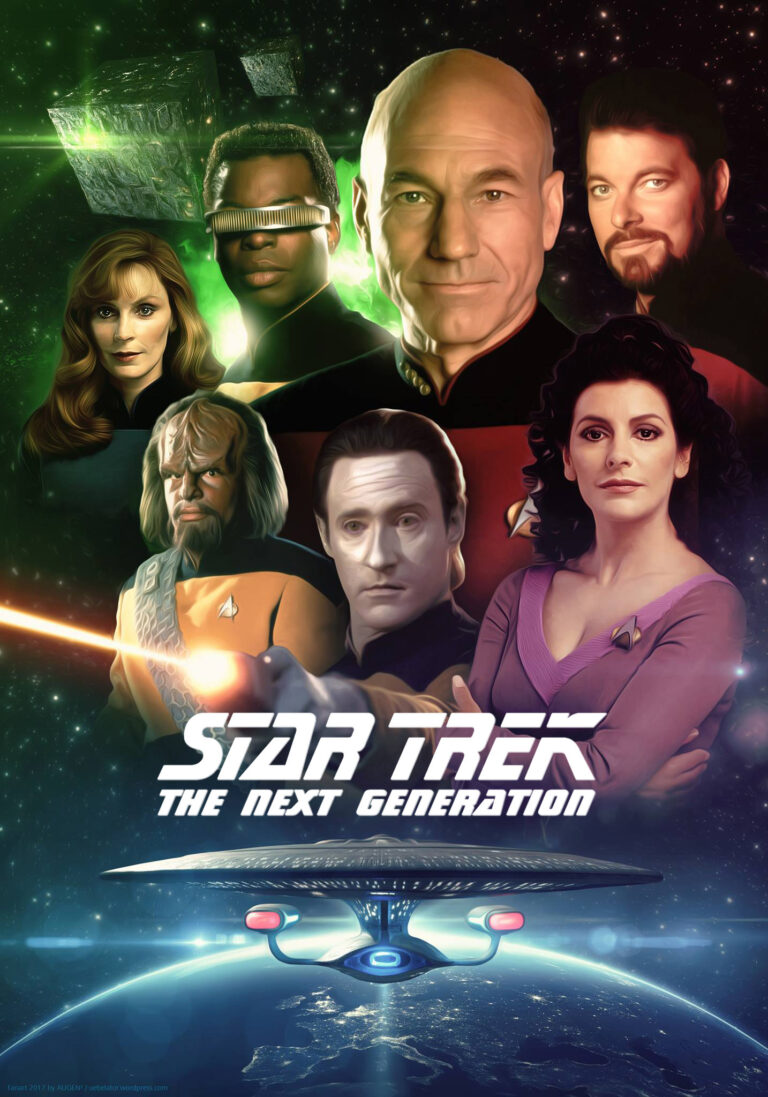
The Next Generation movies run in the order Generations, First Contact, Insurrection and Nemesis.
Watch Star Trek, Star Trek Into Darkness and Star Trek Beyond in release order.
Yes. The Search for Spock directly continues the consequences of The Wrath of Khan, and the story then continues into The Voyage Home.
Yes. First Contact is our second-highest-ranked Star Trek movie and the strongest big-screen adventure featuring The Next Generation crew.
Not always. Familiarity with the characters improves many of the films, but movies such as Star Trek from 2009 were specifically designed to introduce the franchise to new audiences.
Star Trek has changed dramatically across generations, but The Wrath of Khan remains our favourite because it understands that the franchise is at its strongest when enormous science-fiction ideas have deeply personal consequences.
First Contact brings that same emotional intensity to Picard and The Next Generation, while The Voyage Home demonstrates that Star Trek can be funny, optimistic and completely unconventional without losing its identity.
Whether your Enterprise captain is Kirk or Picard, or you discovered the franchise through the Kelvin timeline, Star Trek's movie history offers several very different journeys into the final frontier.
CMDB Member
Log in without leaving Comic Movie DB.
Join the Fandom
Rate, review, collect and share your fandom.