




 9
9
Star Trek: The Original Series
1966
The living side of CMDB — guides, opinions and the fans making noise right now.
The newest stories land here automatically, with the most-read stories alongside them.
 Comic NewsOctober 2026 Movies & TV Series: What Comic and Geek Fans Should Watch
 Comic NewsStar Trek’s New Reboot Could Make Starfleet the Villain – And That’s a Bold Move
 Marvel NewsDoctor Doom stolen lives meaning
 Marvel NewsVisionQuest Trailer Reveals James Spader’s Human Ultron and Vision’s Next MCU Chapter
 Comic NewsAhsoka Season 2 Teaser Unleashes Thrawn’s War and Confirms January 2027 Premiere
New additions, the films fans rate highest and box-office leaders — all driven by CMDB data.
 A Minecraft Movie (2025)2025
 Doctor Who (1996)1996
 Matchbox The Movie2026
 Star Trek: The Motion Picture1979






Recently added shows and the series CMDB fans are rating highest.
Comic Movie DB
Star Trek has grown from one television series about the USS Enterprise into one of the biggest science-fiction universes ever created. Across six decades, the franchise has introduced different crews, generations, centuries and even alternate timelines.
That makes deciding where to start surprisingly complicated. This guide breaks Star Trek into its major eras, explains the Prime and Kelvin timelines and shows newcomers how the movies and television series connect without requiring an episode-by-episode spreadsheet.
If you have never watched Star Trek before, you do not need to consume every episode and movie to understand the franchise. Each major series introduces its own ship, crew and mission while gradually expanding the same universe.
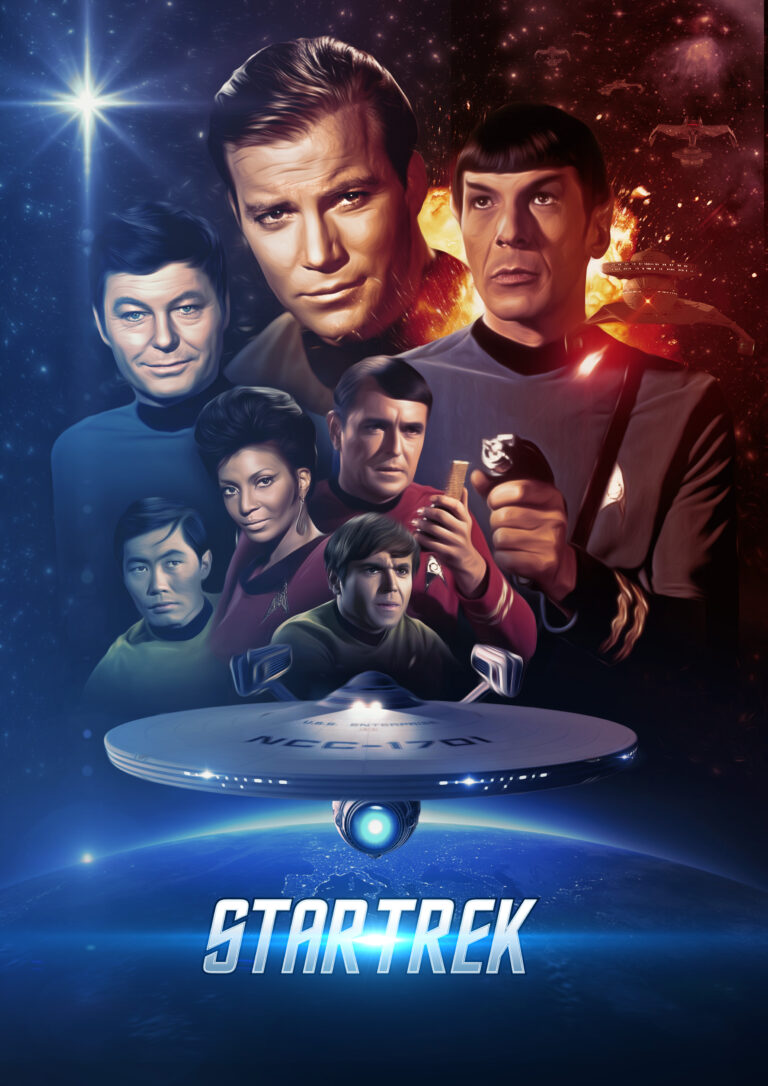
The Original Series remains the foundation of Star Trek and introduces Captain James T. Kirk, Spock, Leonard McCoy and the USS Enterprise. Starting here lets you experience the universe much as audiences originally discovered it.
Viewers who prefer modern television can instead begin with Strange New Worlds. Its adventures take place before Kirk becomes captain of the Enterprise while retaining much of the exploration and character-driven storytelling associated with classic Trek.
Release order is one of the easiest ways to experience Star Trek because characters, concepts and references appear in roughly the same way audiences originally encountered them.
The franchise begins with The Original Series and its animated continuation before moving into the original crew's movies. The Next Generation then begins a new era that expands through Deep Space Nine, Voyager and four feature films.
Modern Star Trek begins with Discovery before expanding through Picard, Lower Decks, Prodigy, Strange New Worlds, Section 31 and Starfleet Academy.
 7
7
1973
 10
10
1987
 9
9
1993
 9
9
1995
 8
8
2001
 7
7
2017
 7
7
2018
 8
8
2020
 9
9
2020
 8
8
2021
 9
9
2022
 8
8
2026
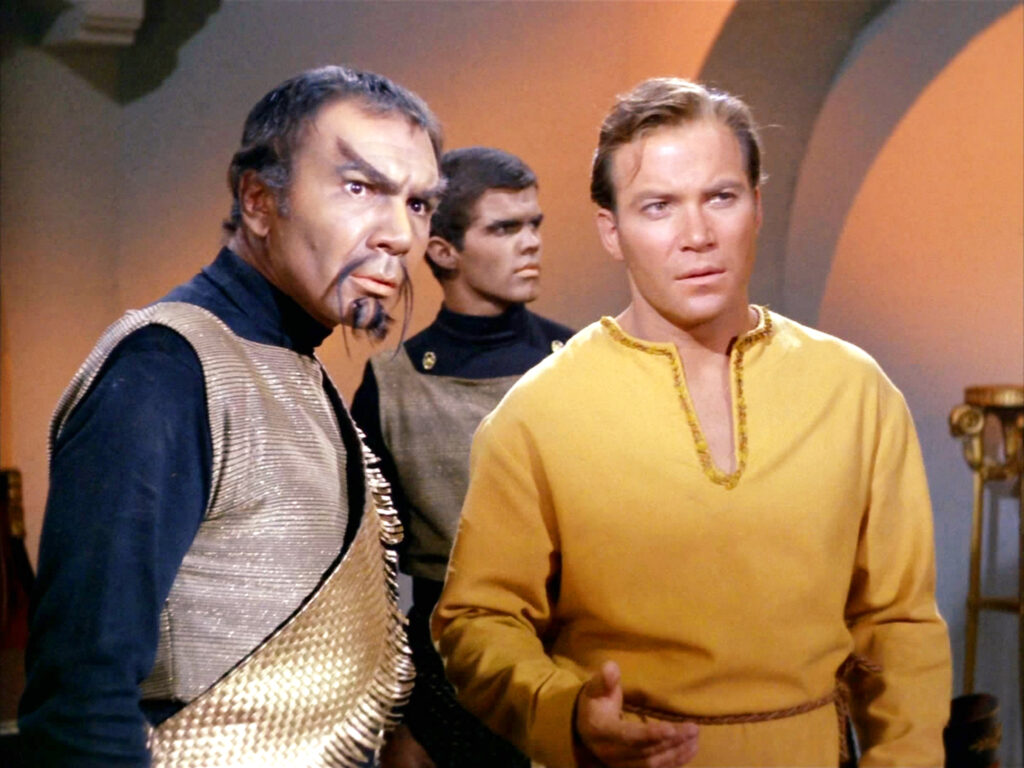
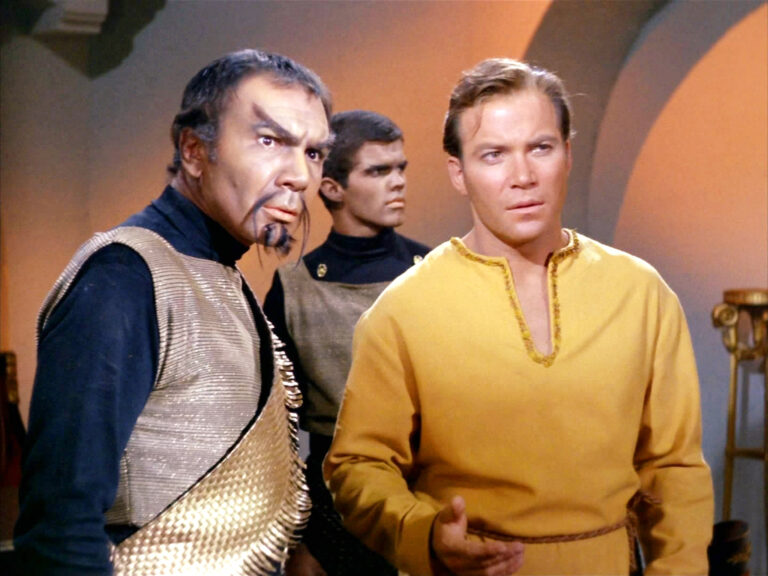
The journey begins with Captain Kirk and the crew of the USS Enterprise. The Original Series established Starfleet, the Federation, Klingons, Romulans, Vulcans and many of the ideas that still define Star Trek.
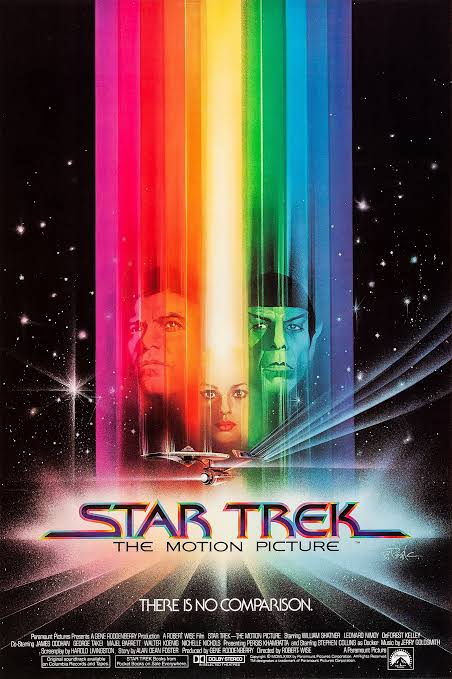
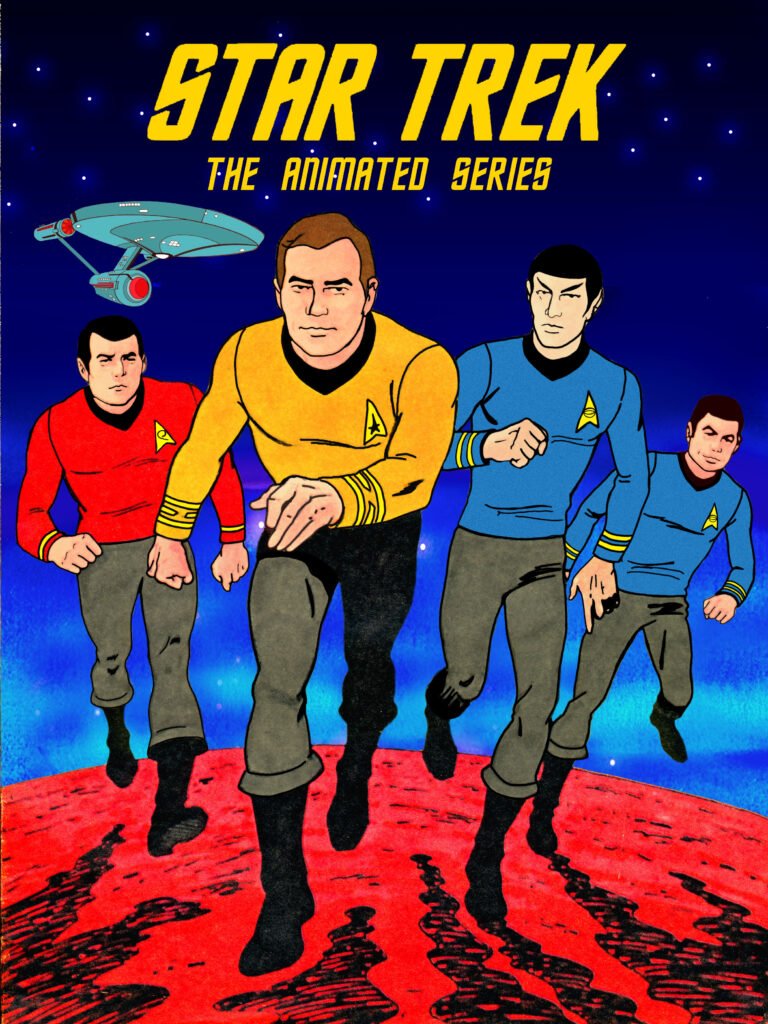
The Animated Series continued the adventures of the original crew before they moved to cinema with Star Trek: The Motion Picture.
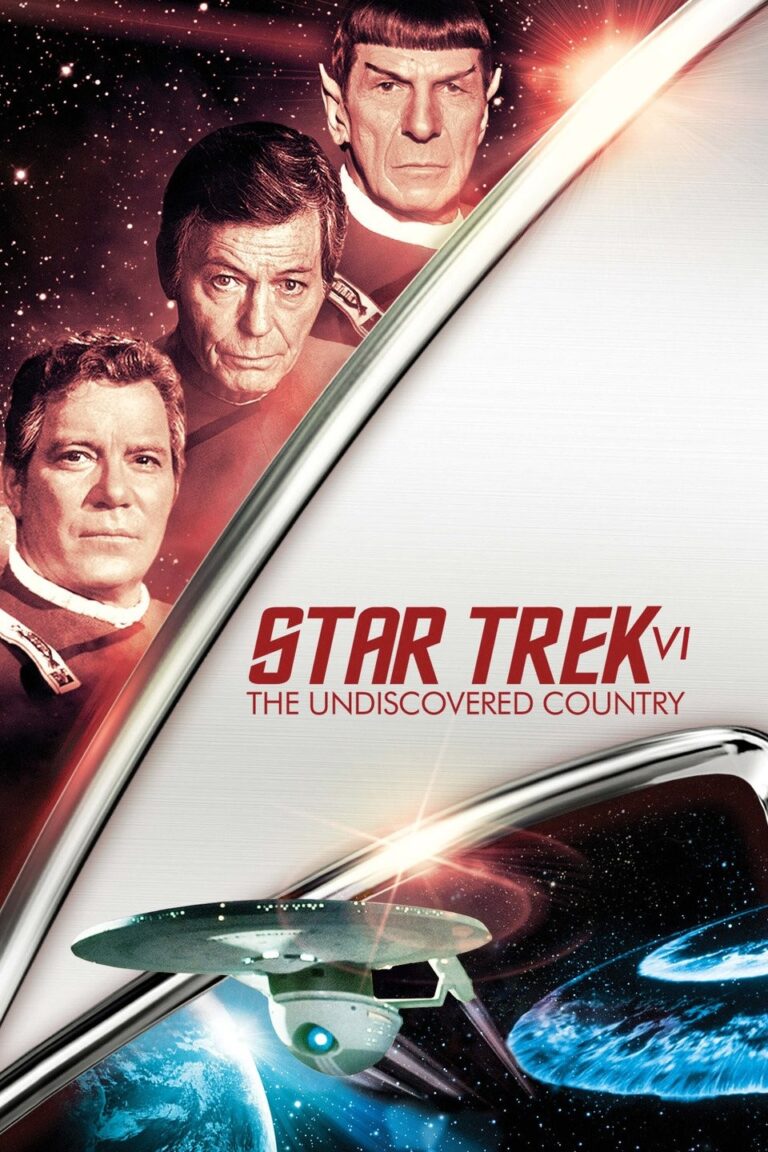
Six movies follow Kirk's crew, with The Wrath of Khan beginning a particularly important sequence that continues directly through The Search for Spock and The Voyage Home.
7
1979
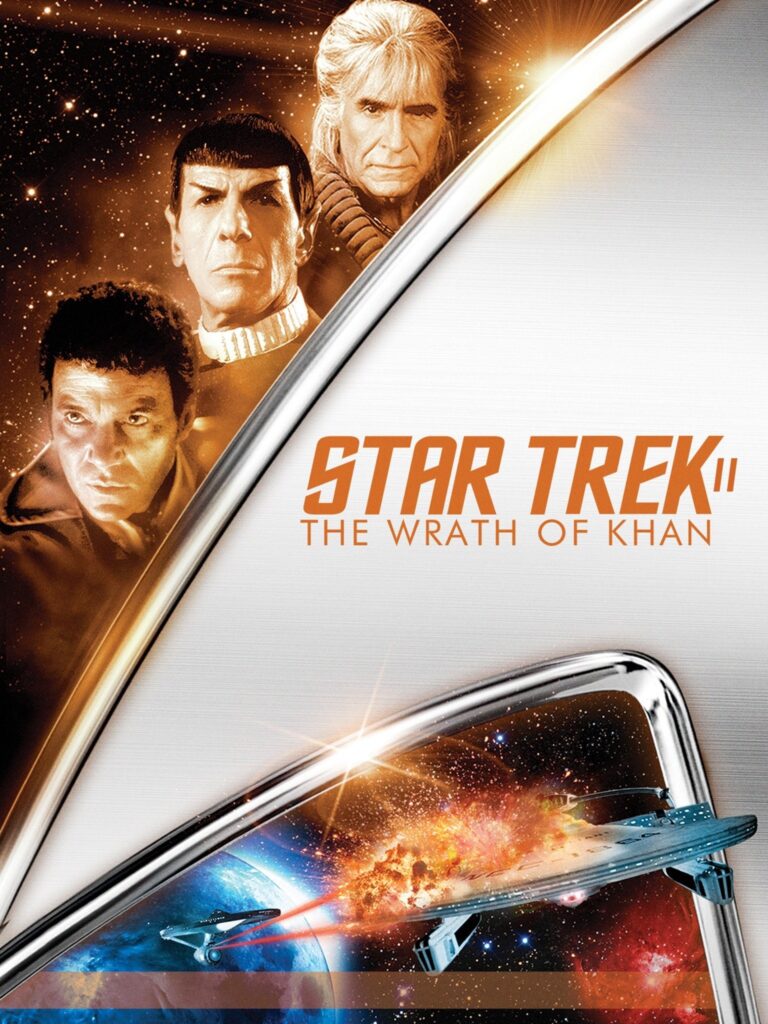 10
10
1982
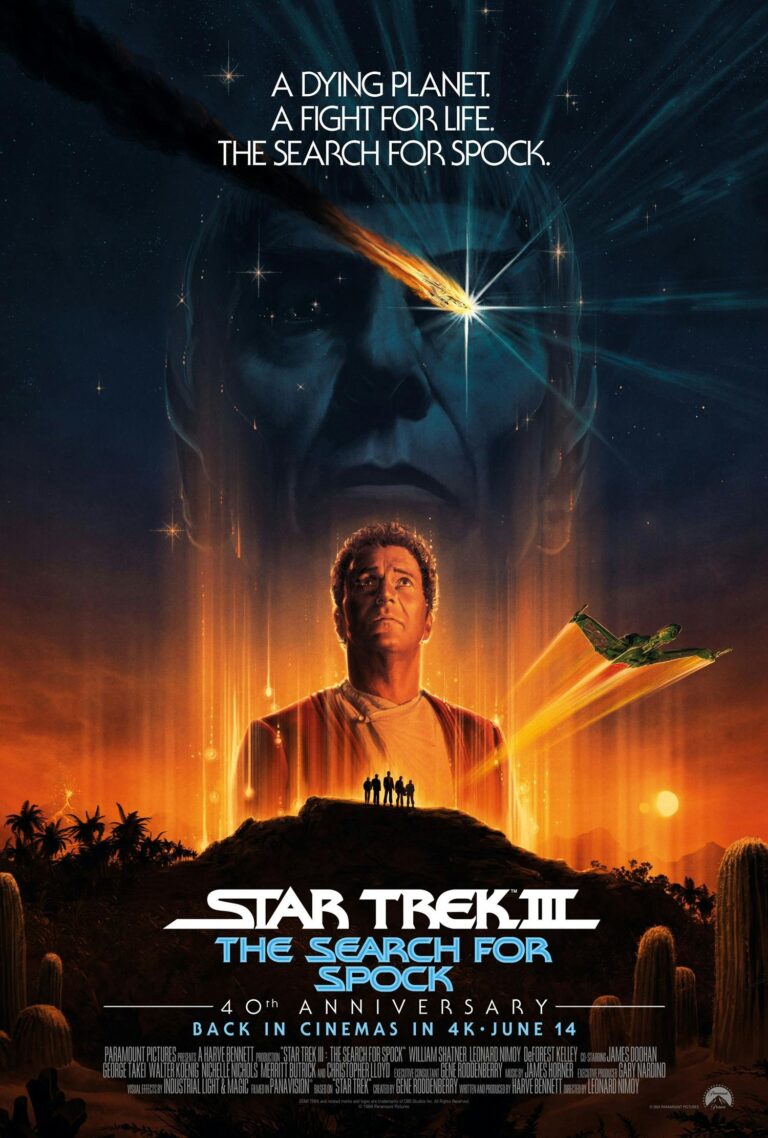 8
8
1984
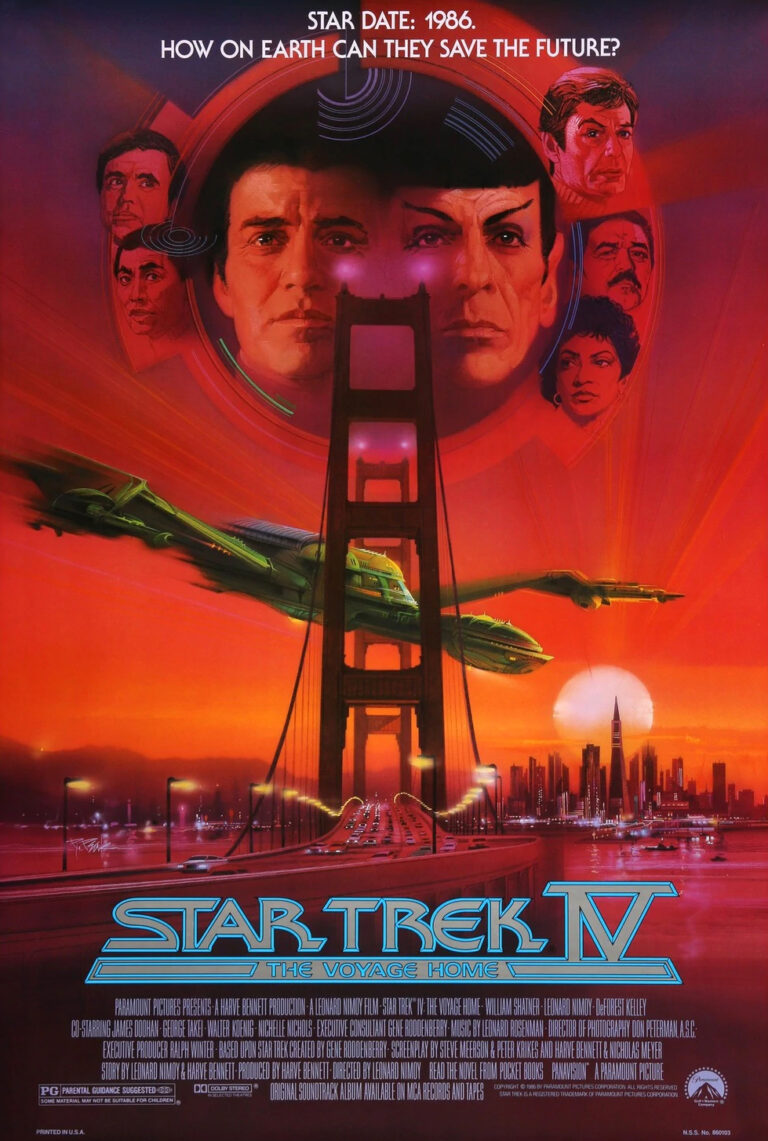 9
9
1986
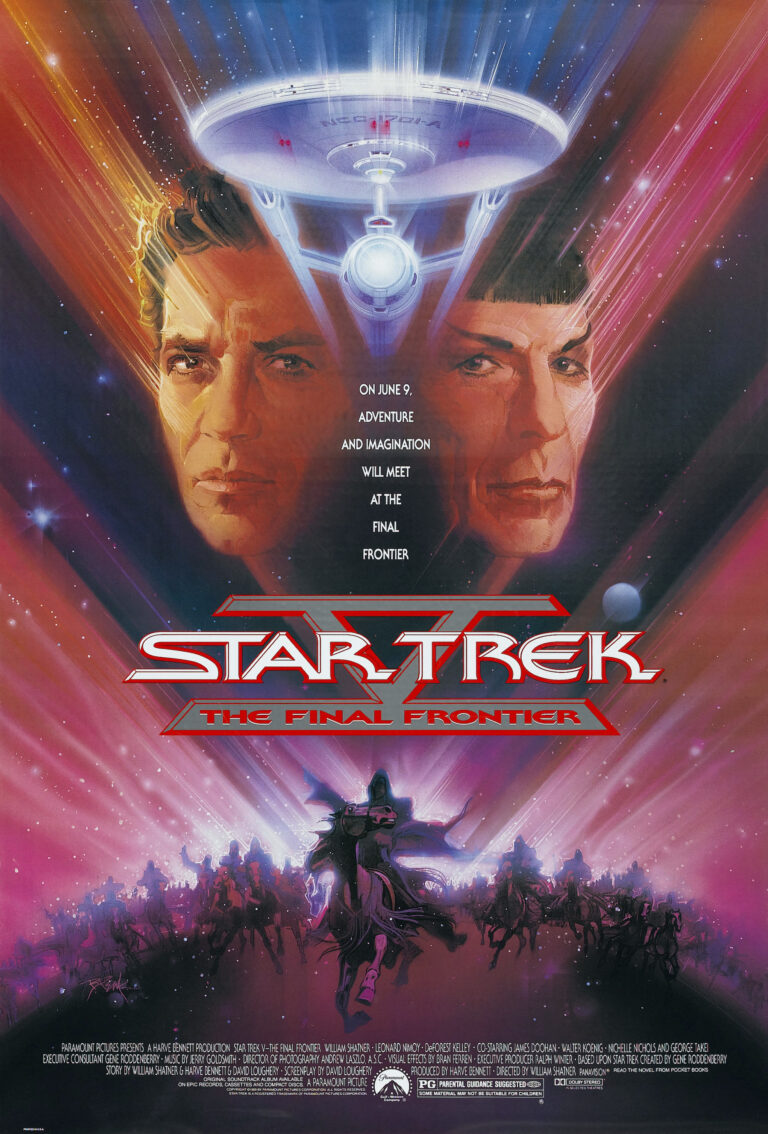 6
6
1989
 9
9
1991
9
1966
7
1973
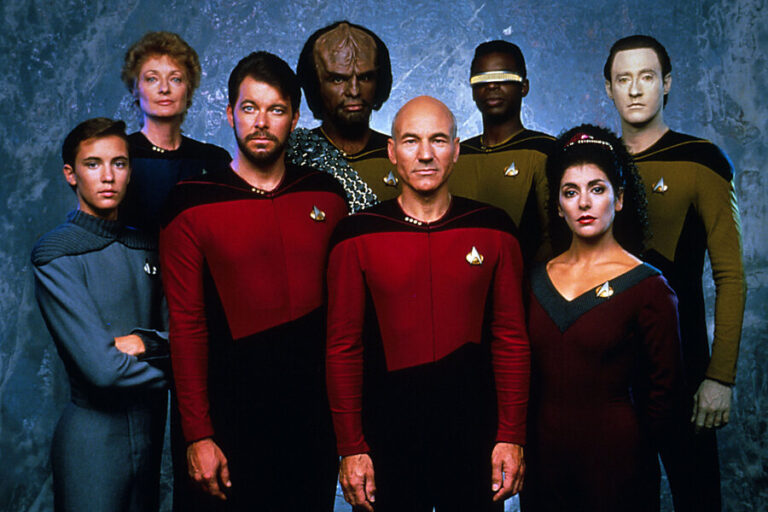
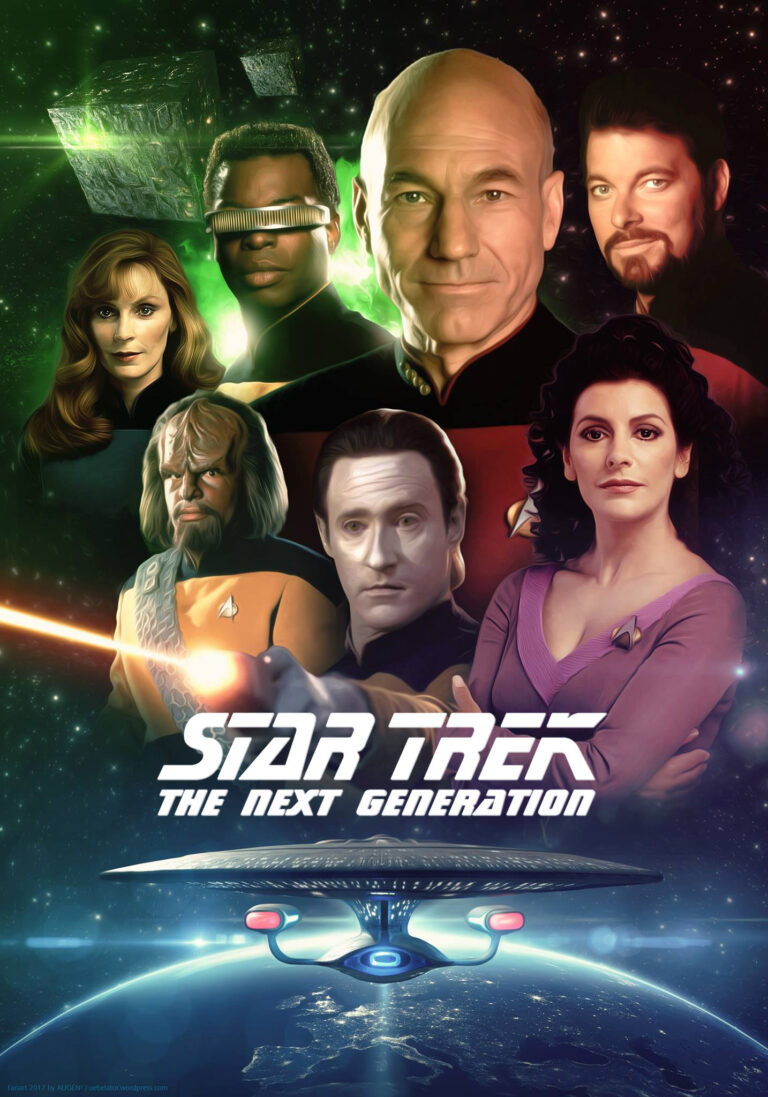
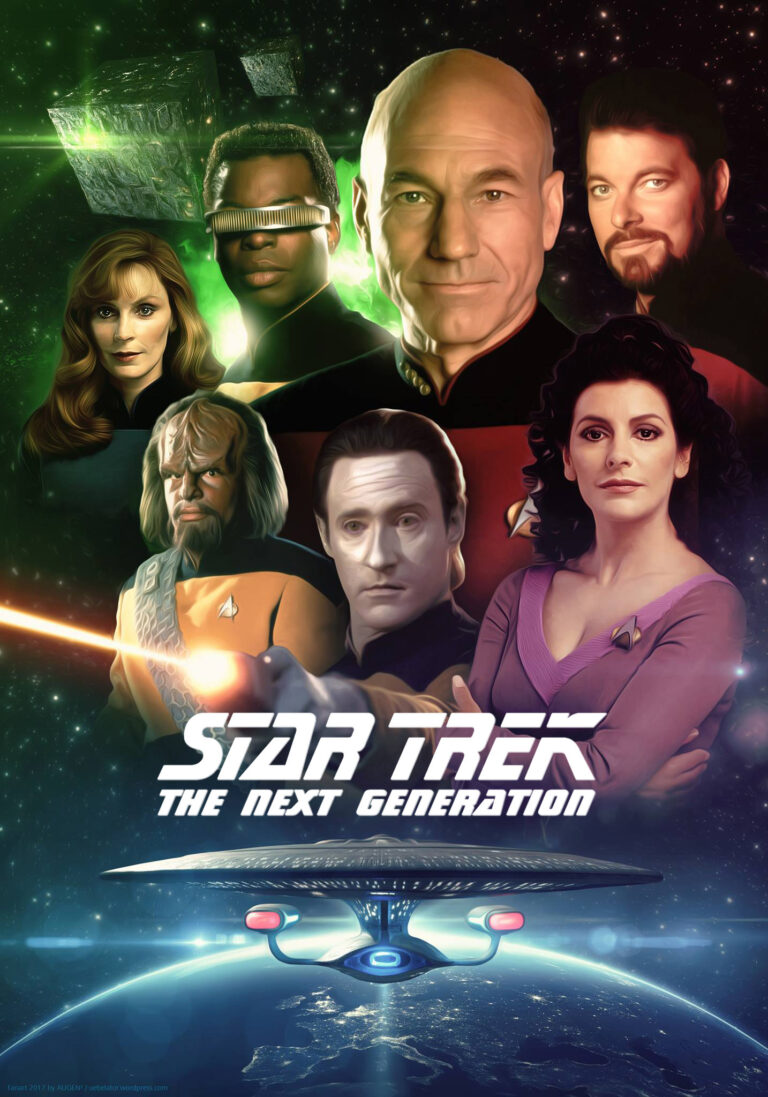
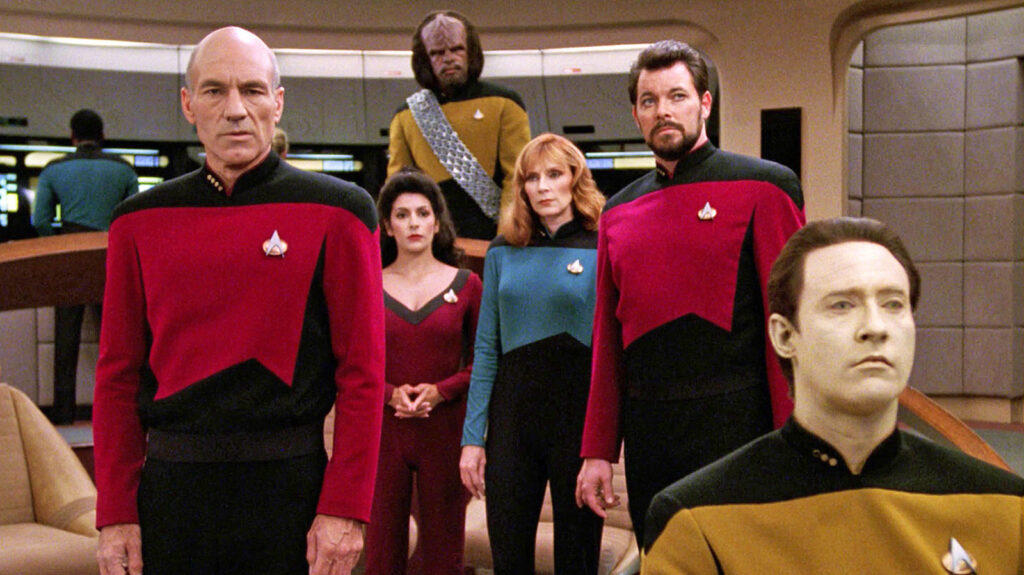
Star Trek: The Next Generation moves the franchise forward to the 24th century with Captain Jean-Luc Picard commanding a new USS Enterprise.
The series dramatically expands the Star Trek universe and introduces characters and storylines that continue across Deep Space Nine, Voyager and eventually Star Trek: Picard.
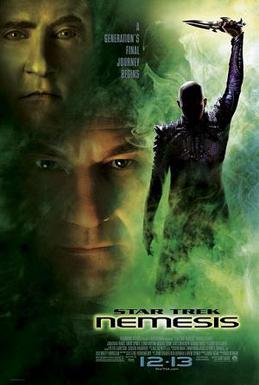
The Next Generation crew also made the transition to cinema, beginning with Generations and continuing through First Contact, Insurrection and Nemesis.
The 24th-century Star Trek universe became much larger when Deep Space Nine and Voyager joined The Next Generation era.
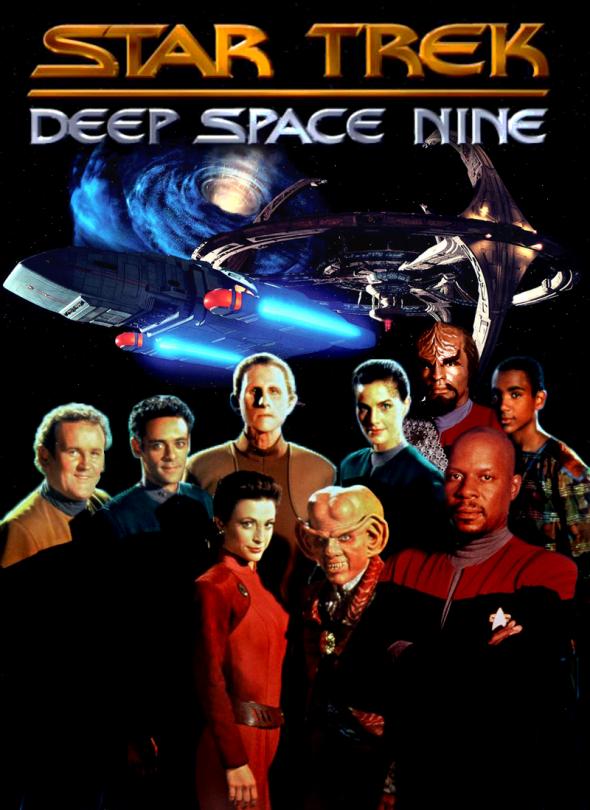
Deep Space Nine moves away from the traditional Enterprise format by placing its characters aboard a strategically important space station. Its longer storylines explore war, politics, religion and the consequences of the Federation's ideals.
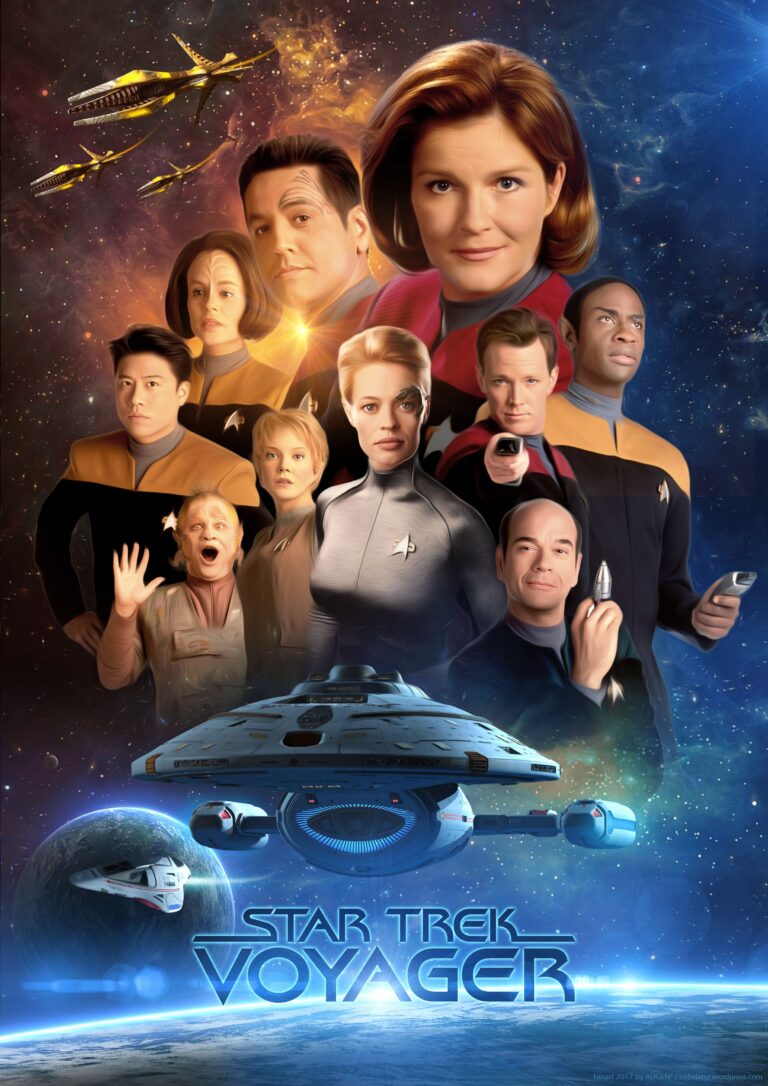
Voyager takes the opposite approach by sending Captain Kathryn Janeway and her crew thousands of light-years from home, forcing them to survive while searching for a route back to Earth.
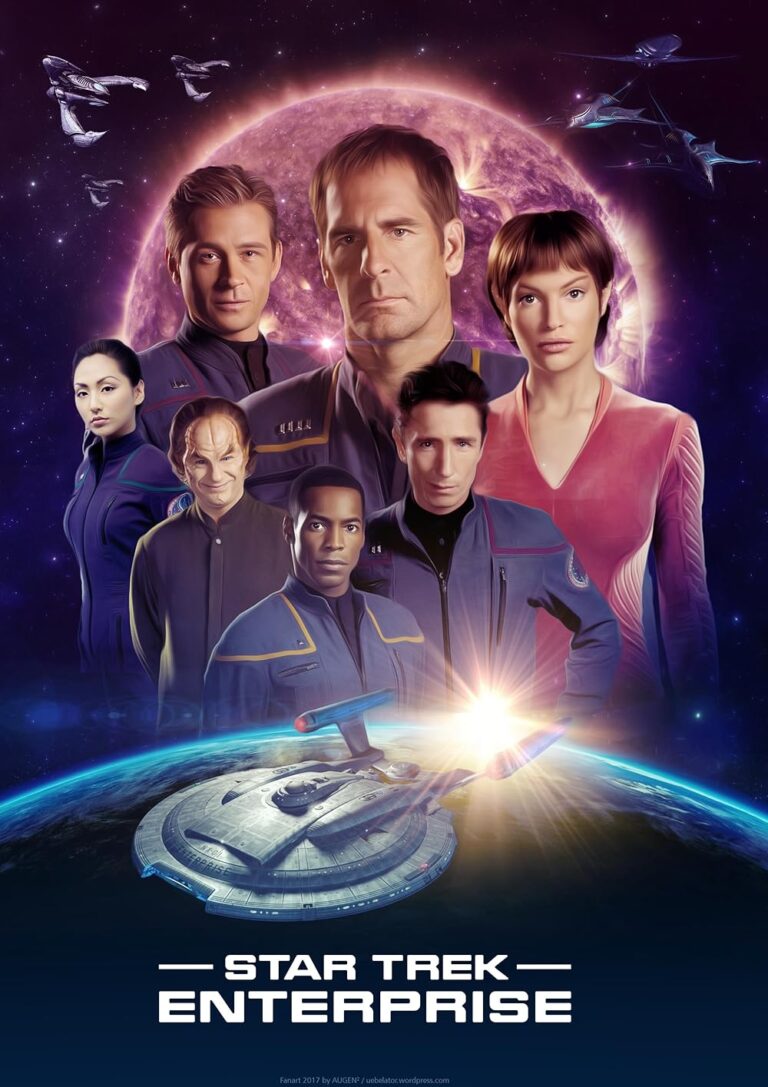
Despite being released decades after the Original Series, Star Trek: Enterprise is one of the earliest stories in the franchise timeline.
Captain Jonathan Archer commands the Enterprise NX-01 during humanity's first major period of deep-space exploration, long before Kirk or Picard.
That makes Enterprise the natural starting point for anyone determined to watch the Star Trek universe chronologically rather than by release date.
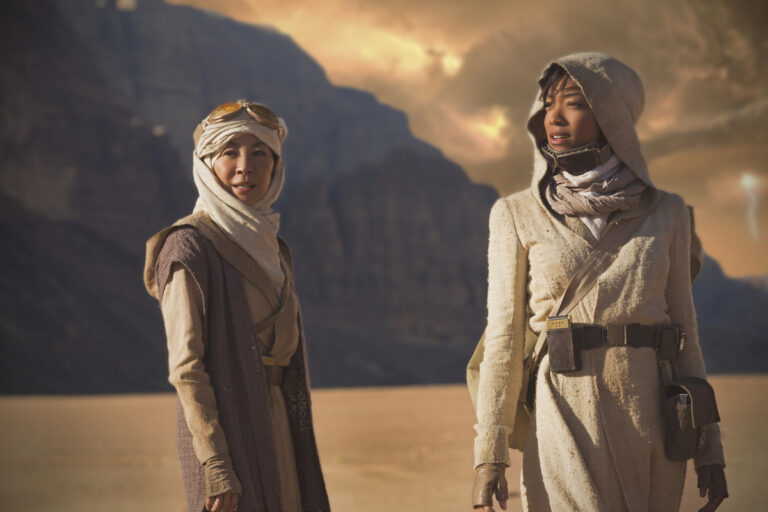
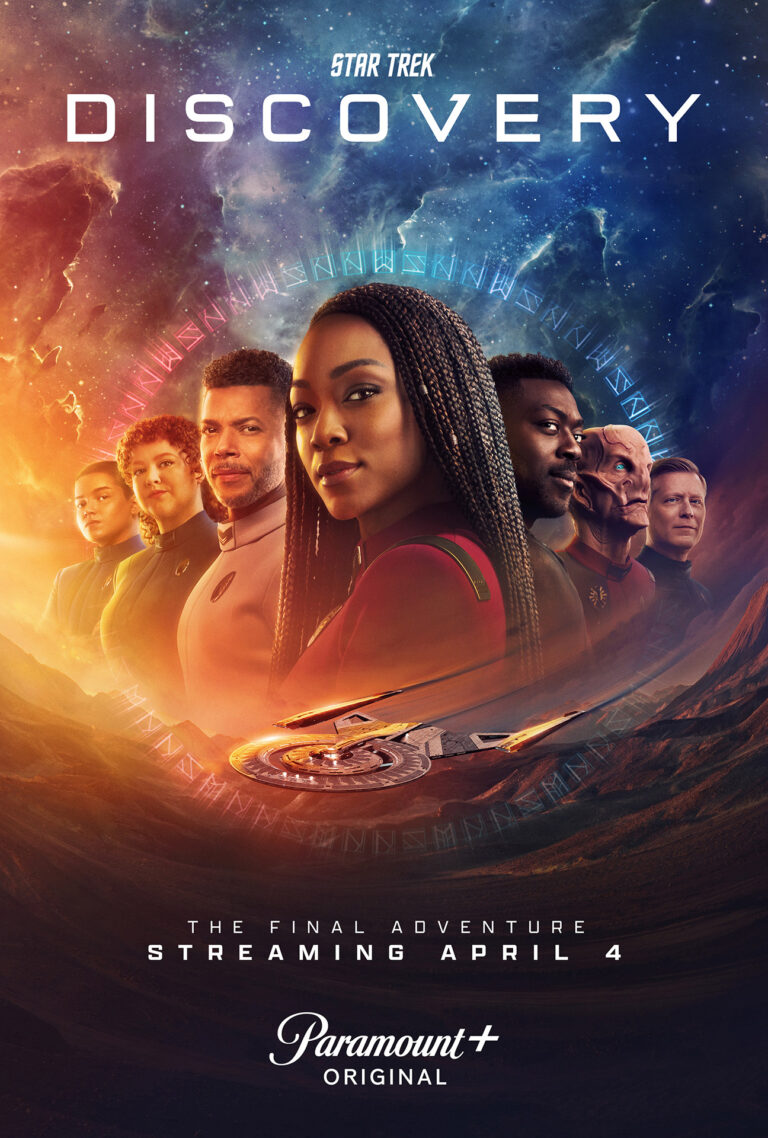
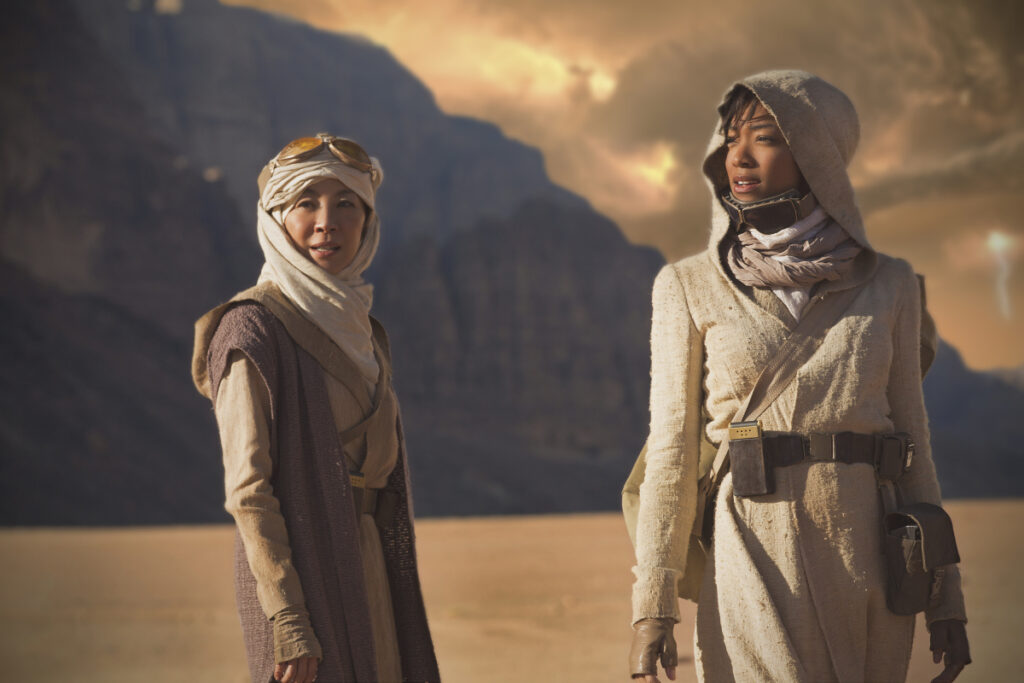
Star Trek: Discovery initially takes place before the Original Series and introduces another chapter of Starfleet history. Its story eventually makes an enormous jump forward in time, meaning the series occupies two very different periods of the Star Trek chronology.
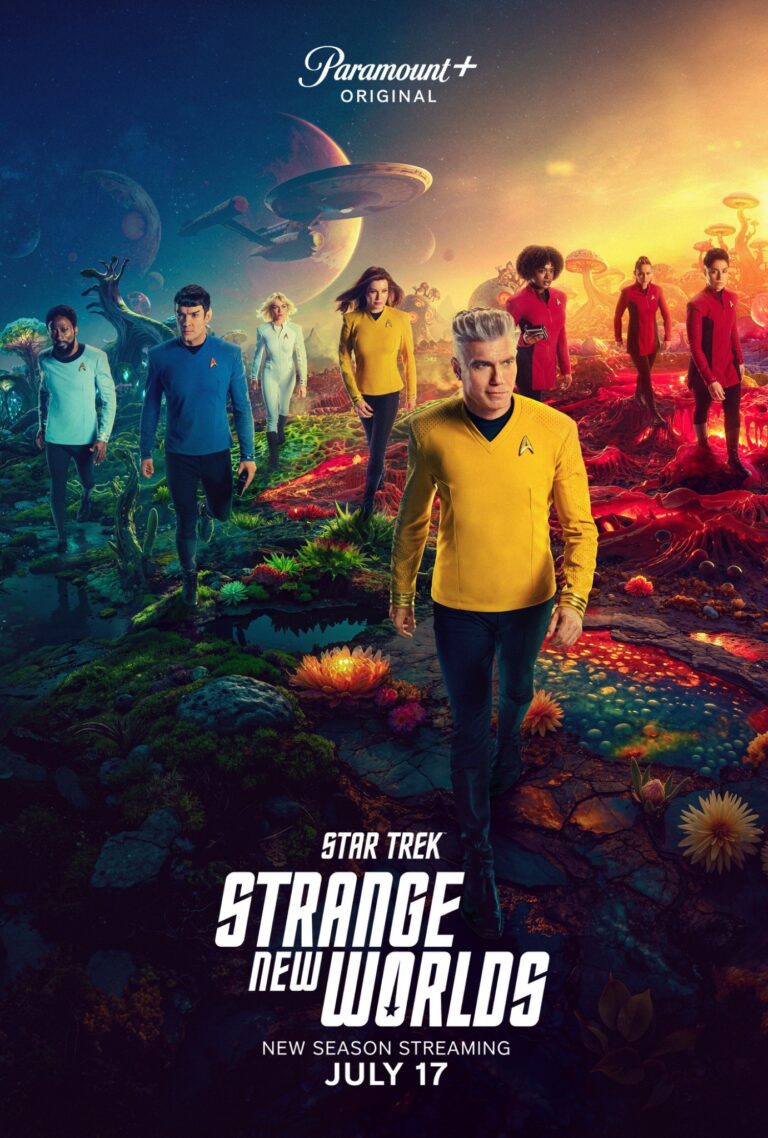
Strange New Worlds follows Captain Christopher Pike aboard the USS Enterprise before James T. Kirk takes command. It also features younger versions of several characters who become central to the Original Series.
For viewers who want a modern entry point into classic Star Trek, Strange New Worlds is one of the easiest places to begin.
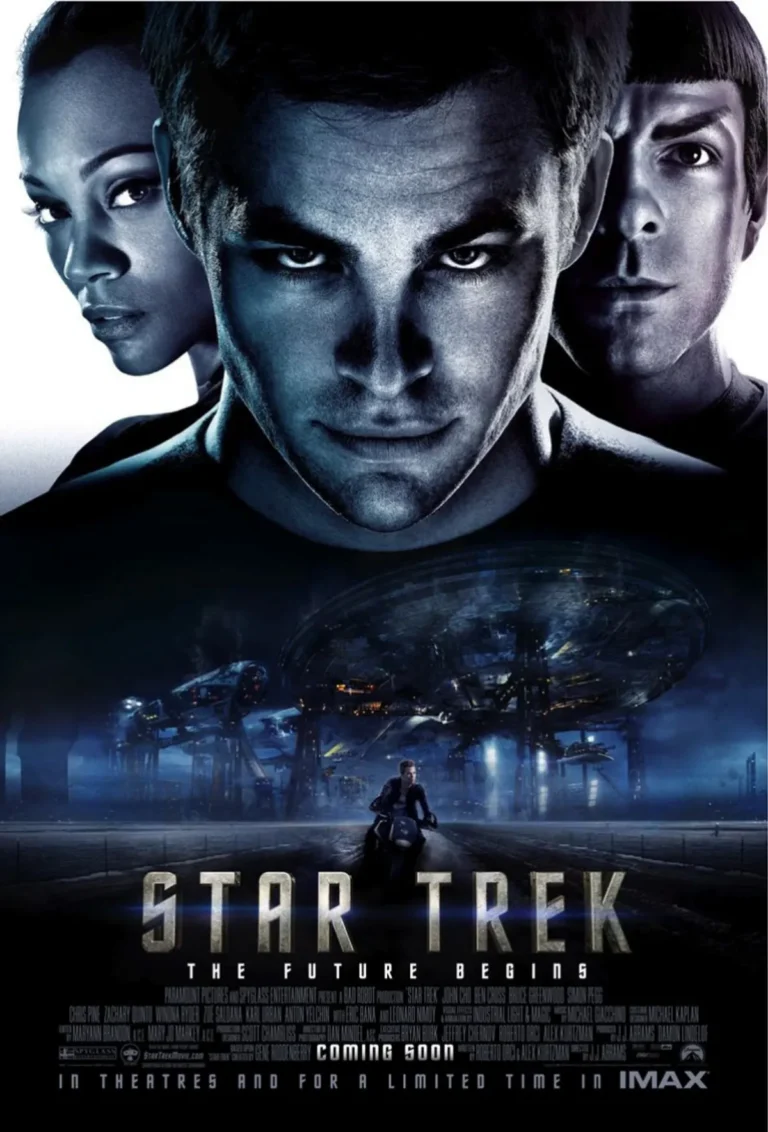
The 2009 Star Trek movie created an alternate reality commonly known as the Kelvin timeline. This allowed new versions of Kirk, Spock, McCoy, Uhura and the Enterprise crew to exist alongside the established Star Trek continuity.
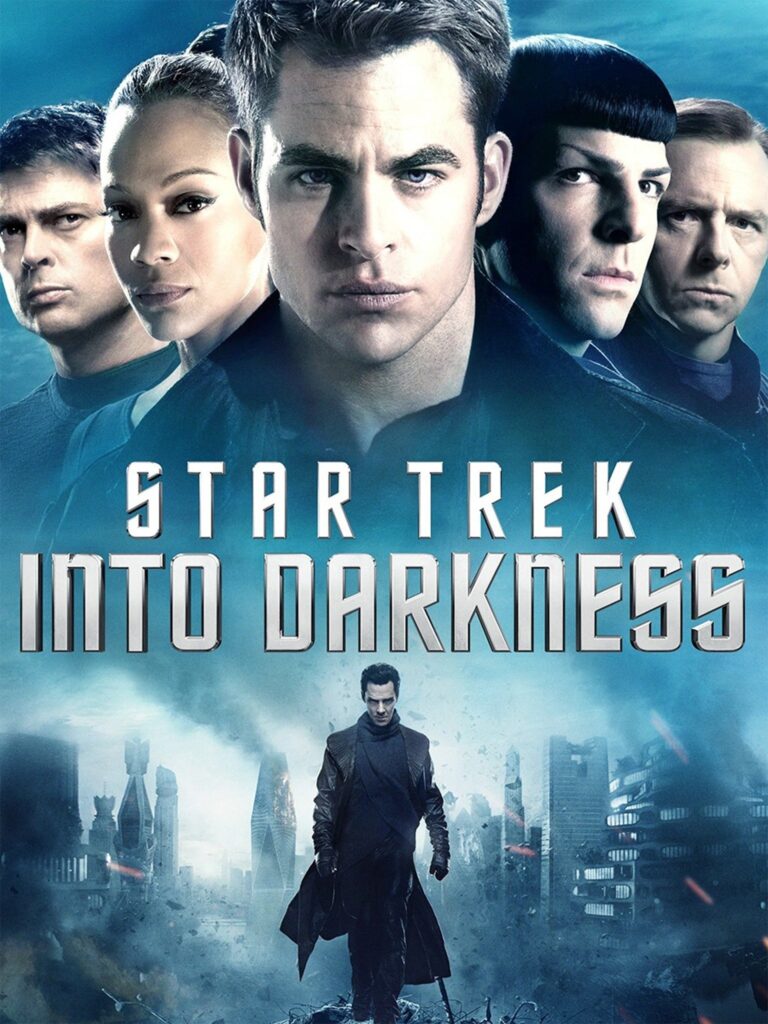
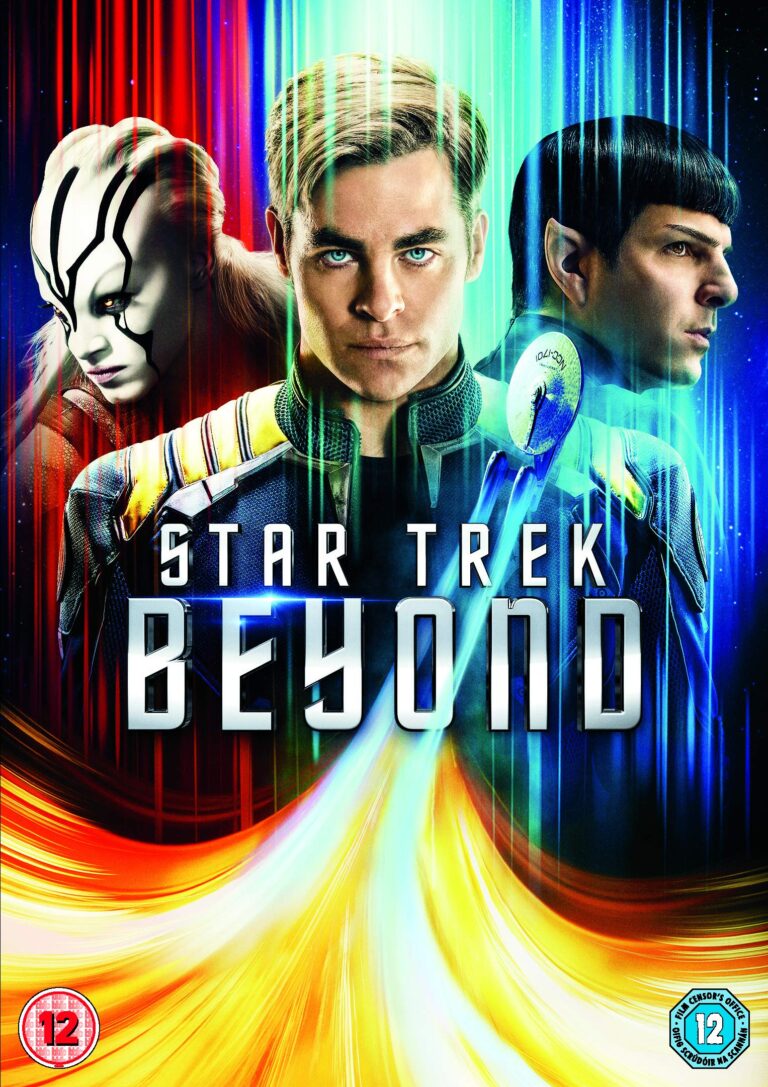
The Kelvin movies form a straightforward trilogy. Watch Star Trek first, followed by Star Trek Into Darkness and Star Trek Beyond.
Because the trilogy establishes its own altered timeline, newcomers can watch these three films without completing the older Star Trek series first.
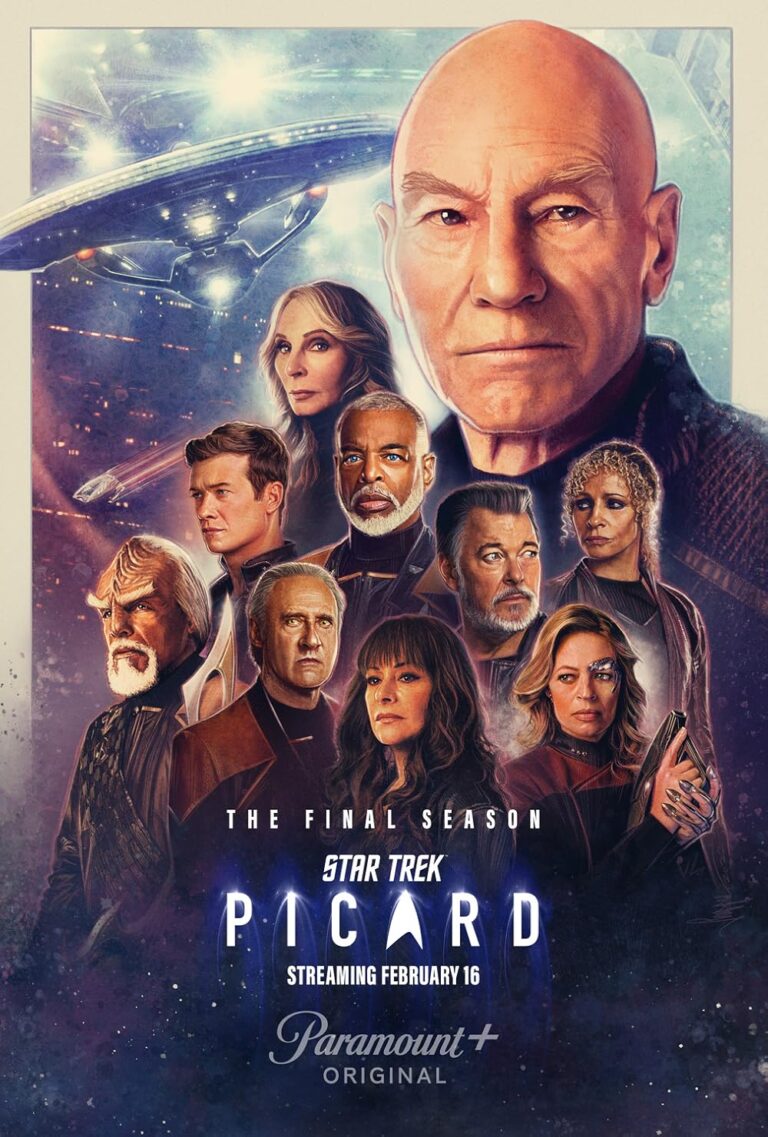
Star Trek: Picard returns to Jean-Luc Picard decades after his adventures aboard the Enterprise and continues several stories from The Next Generation era.
The series becomes particularly rewarding for viewers familiar with The Next Generation, Voyager and the films featuring Picard's crew.
For that reason, Picard works much better as a continuation than as someone's first introduction to Star Trek.
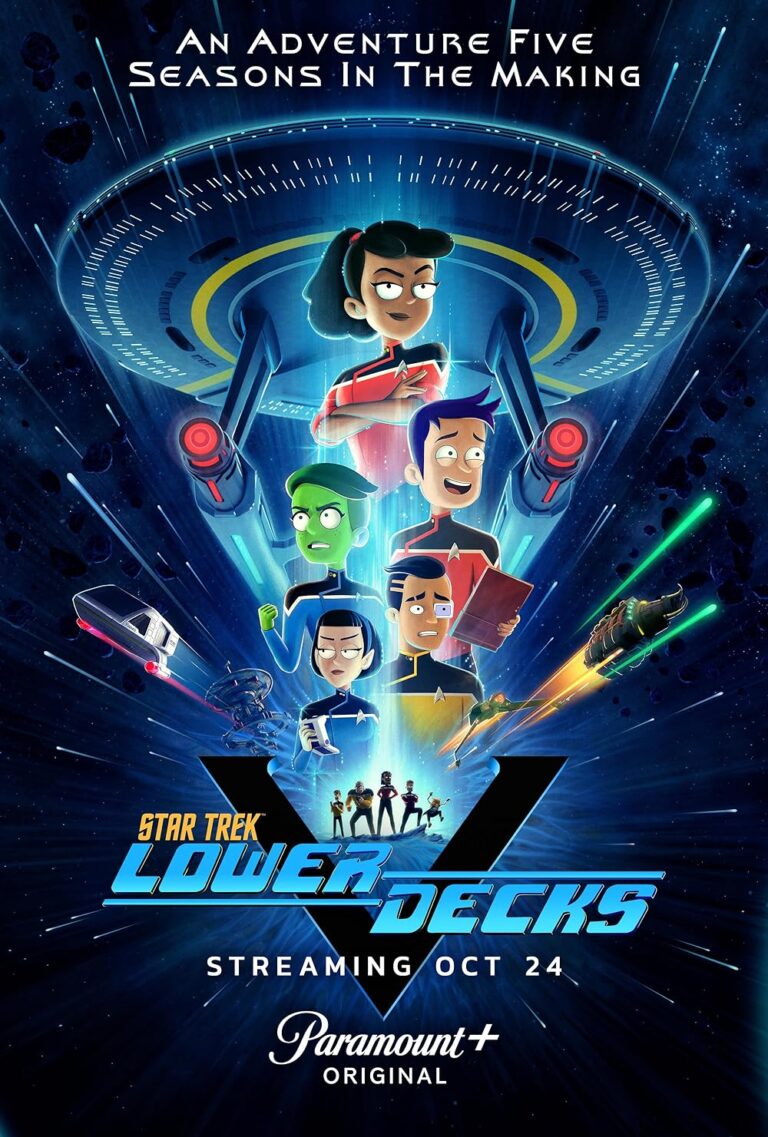
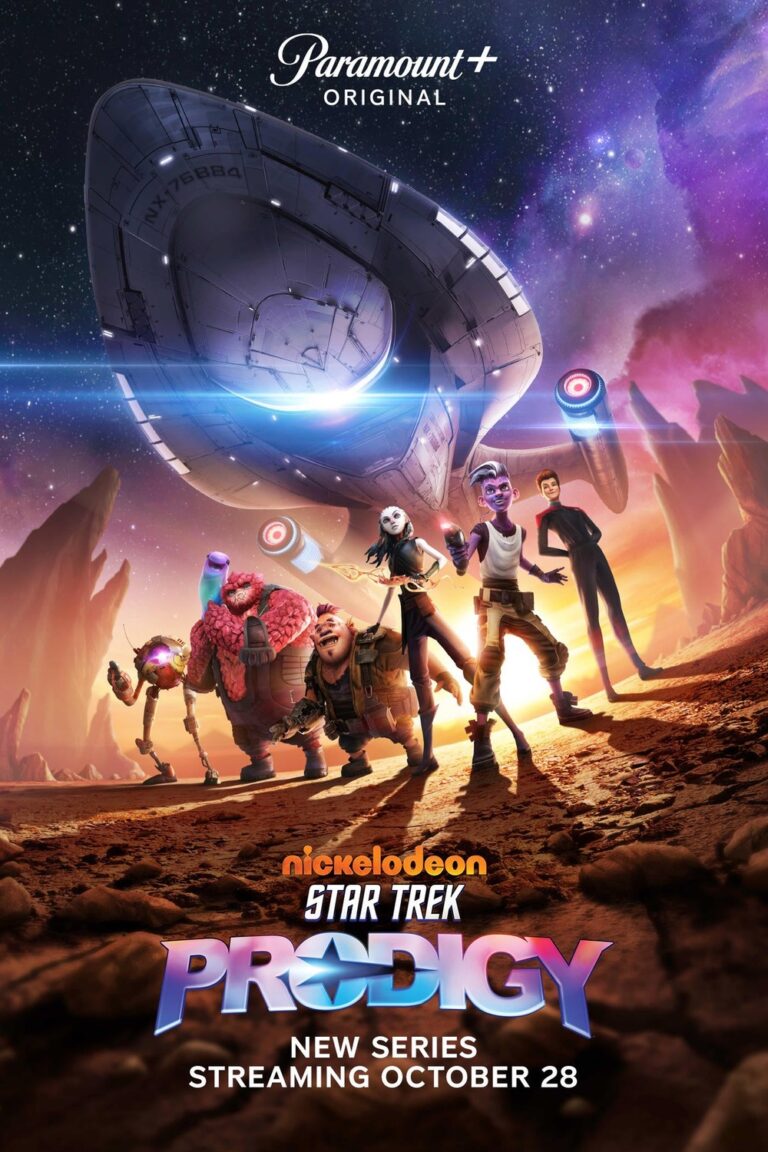
Star Trek animation expanded again with Lower Decks and Prodigy, but the two series approach the universe very differently.
Lower Decks is a comedy built around the less glamorous members of a Starfleet crew and contains countless references to earlier Star Trek adventures.
Prodigy introduces younger characters to Starfleet and works particularly well for viewers discovering the values and ideas of Star Trek for the first time.
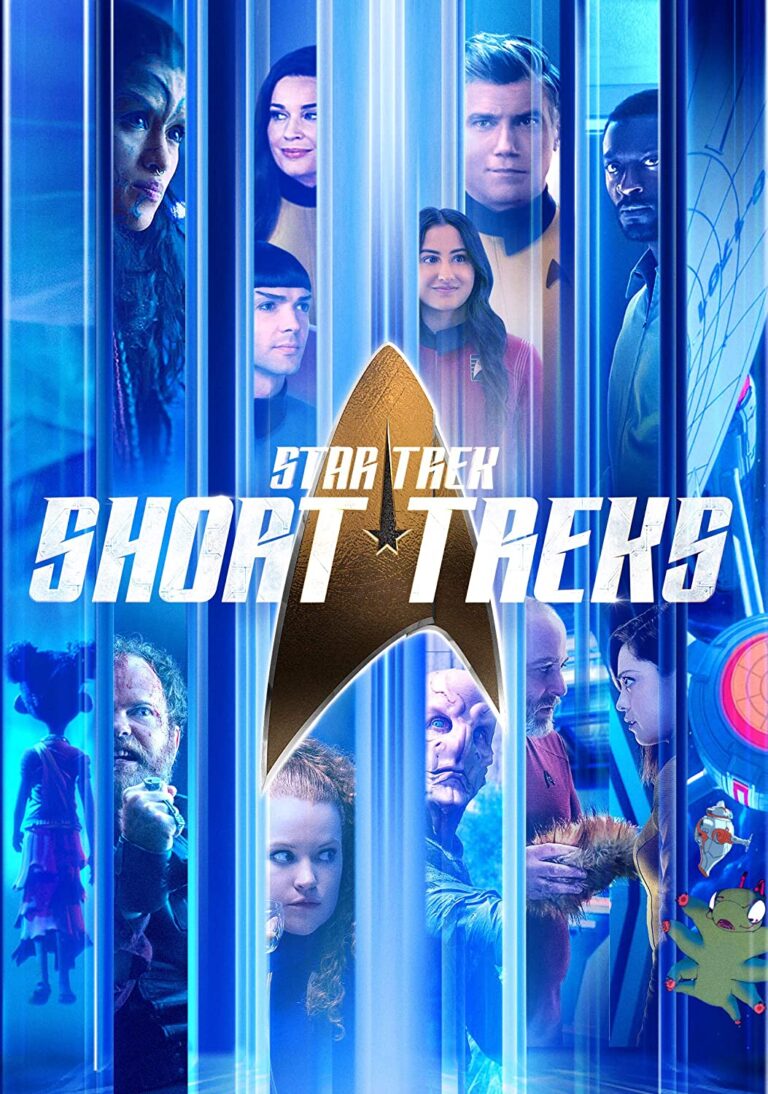
Not every Star Trek production requires a full series commitment. Short Treks tells smaller stories connected to characters and events from the modern television era.
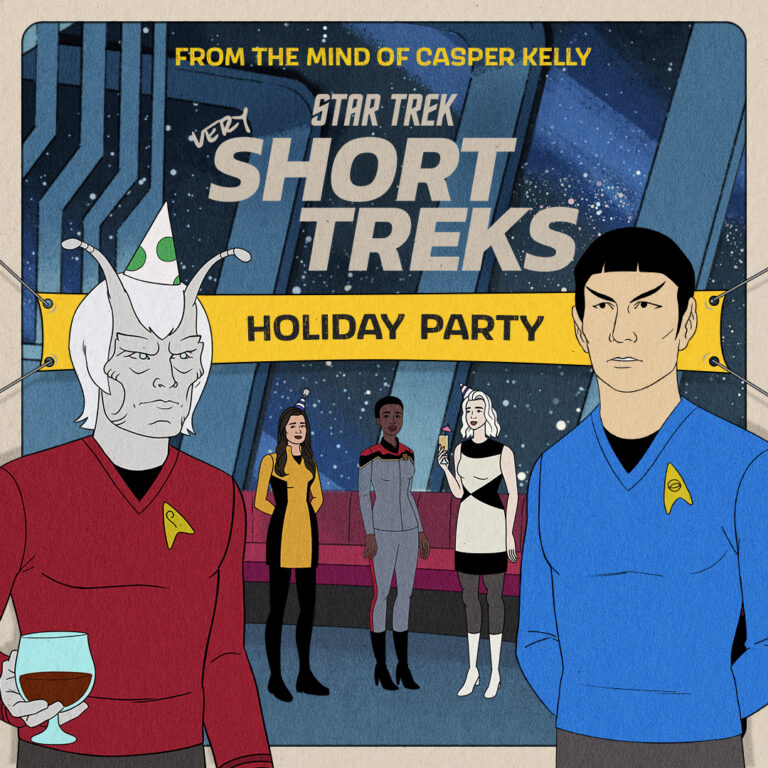
Very Short Treks takes a much more playful approach with brief animated stories created as part of Star Trek celebrations.
Neither is essential for newcomers completing their first major watch through the franchise, but both offer additional material for fans who want to explore everything.
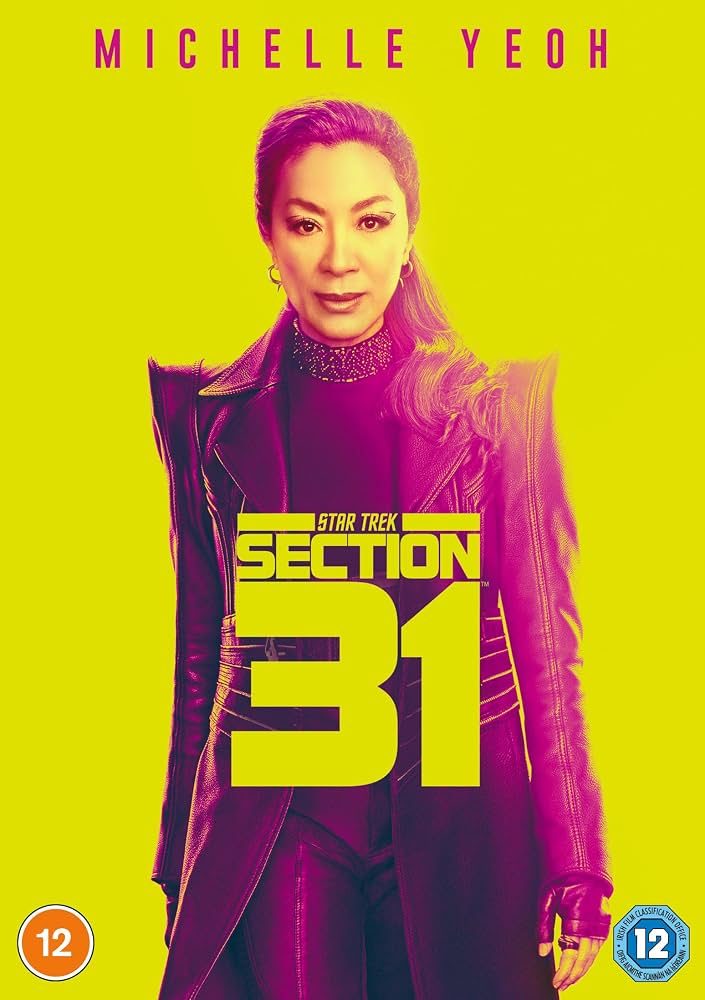
Star Trek: Section 31 expands a secretive part of the Federation that has appeared throughout several Star Trek stories.
The movie is connected to the modern Discovery era rather than the Kelvin movie trilogy, so it should not be treated as a fourth movie following Star Trek Beyond.
It works best after viewers already understand the modern Star Trek universe and the history surrounding Section 31.
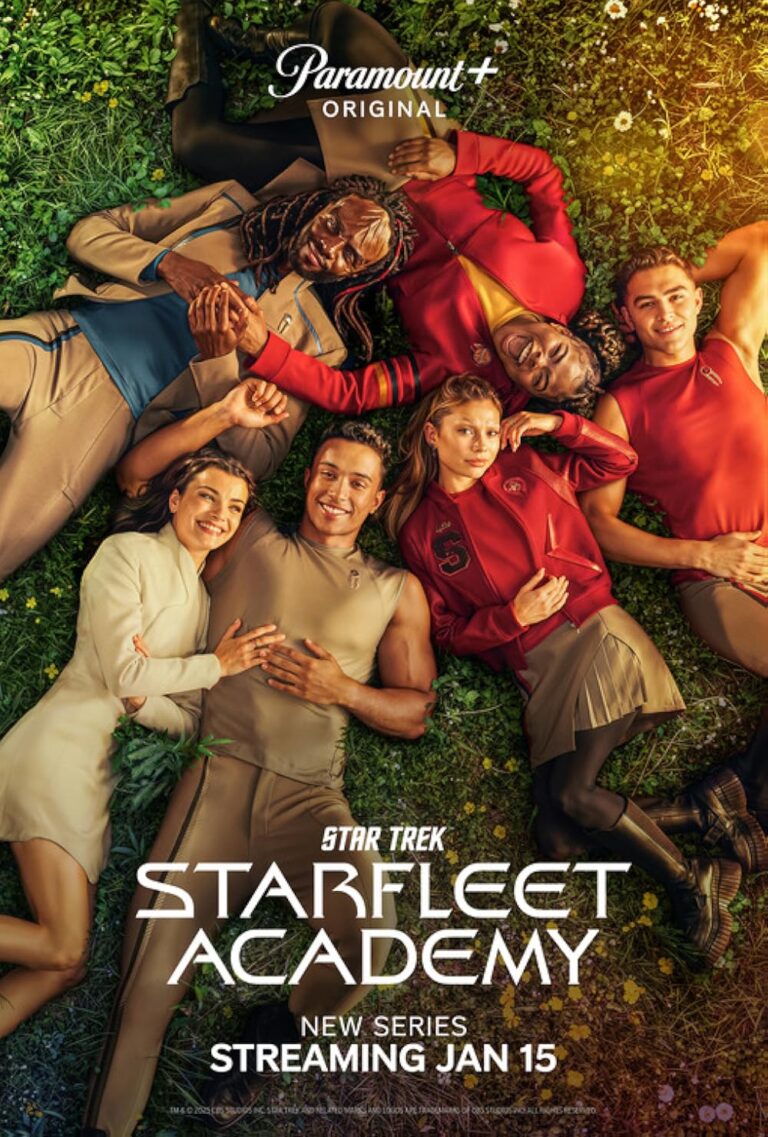
Star Trek: Starfleet Academy takes the franchise into the distant future established by the later seasons of Discovery.
The series follows a new generation of Starfleet cadets and represents one of the furthest points reached in Star Trek's main timeline.
Chronological viewers should therefore place Starfleet Academy towards the end of their journey rather than assuming a series about the Academy takes place before Kirk.
If you only want to watch the Star Trek movies, the easiest approach is to divide them by crew.
Start with the six original-cast movies, continue with the four Next Generation films and then treat the three Kelvin timeline movies as their own trilogy. Section 31 is connected to the modern streaming era rather than either theatrical movie sequence.
7
1979
10
1982
8
1984
9
1986
6
1989
9
1991
 8
8
1994
 10
10
1996
 7
7
1998
 7
7
2002
 9
9
2009
 8
8
2013
 9
9
2016
 6
6
2025
Trying to watch every Star Trek production immediately can turn a brilliant universe into homework. New viewers are better served by choosing an era, learning its characters and expanding from there.
For the classic experience, begin with The Original Series. For the hugely popular 24th-century era, begin with The Next Generation. For modern production values with the spirit of classic Trek, start with Strange New Worlds. If you only want movies, the 2009 Kelvin trilogy provides the quickest self-contained introduction.
Once one version of Star Trek captures your imagination, following its connections into the rest of the universe becomes considerably easier.
Absolutely not. One of Star Trek's greatest strengths is that the universe contains several natural entry points. Someone can love The Next Generation without watching every episode of the Original Series, while a new viewer can enjoy Strange New Worlds without completing hundreds of older episodes first.
There is also no perfect chronological order. Discovery alone complicates the timeline by beginning before the Original Series and later travelling into Star Trek's distant future, while the Kelvin movies deliberately create an alternate reality.
Our recommendation for newcomers is therefore simple: choose the era that interests you most rather than worrying about completing everything. Star Trek is a universe to explore, not a checklist to finish.
As Comic Movie DB continues expanding its Star Trek collection, this guide will be updated alongside new movies, series and additions to the franchise.
New viewers can start with release order beginning with The Original Series, while chronological viewers should begin with Star Trek: Enterprise. There is no single required order because many Star Trek series tell largely independent stories.
Star Trek: The Original Series is the first Star Trek television series and originally introduced audiences to Captain Kirk, Spock and the USS Enterprise.
Star Trek: Enterprise is the earliest major television series in the main Star Trek timeline, taking place before the adventures of Captain Pike and Captain Kirk.
Release order is generally easier for first-time viewers because later productions often reference characters and concepts introduced in earlier shows. Chronological order is an interesting alternative for returning fans.
Yes. Strange New Worlds can be enjoyed as its own series, although watching the earlier Discovery stories involving Captain Pike, Spock and Number One provides additional background.
You can follow the central story, but Picard is much more rewarding after watching The Next Generation because it continues the lives and relationships of several characters from that era.
Star Trek, Star Trek Into Darkness and Star Trek Beyond take place in the alternate Kelvin timeline created by the events of the 2009 movie.
The Kelvin timeline trilogy should be watched as Star Trek, Star Trek Into Darkness and Star Trek Beyond.
Enterprise takes place before The Original Series and follows humanity during an early period of deep-space exploration.
Discovery begins before The Original Series but later moves far into Star Trek's future, making it unusual because its seasons occupy very different periods of the timeline.
No. Section 31 is connected to the continuity established by Star Trek: Discovery rather than the alternate Kelvin timeline movies.
Starfleet Academy takes place in the distant-future era established by the later seasons of Star Trek: Discovery.
The Original Series is the best place to experience the franchise from its foundations, The Next Generation is an excellent entry into the 24th-century era, and Strange New Worlds provides an accessible modern introduction.
Star Trek looks intimidating when six decades of movies and television are placed in one enormous list, but the franchise becomes much easier to explore when separated into generations. Kirk establishes the original era, Picard leads The Next Generation, Deep Space Nine and Voyager expand the 24th century, while modern series explore both Star Trek's past and its distant future.
Start with the crew or era that interests you most and expand from there. Before long, names like Enterprise, Starfleet, Vulcan and the Federation stop feeling like decades of history to learn and start feeling like parts of one enormous universe waiting to be explored.
CMDB Member
Log in without leaving Comic Movie DB.
Join the Fandom
Rate, review, collect and share your fandom.