










Watchmen Storyline
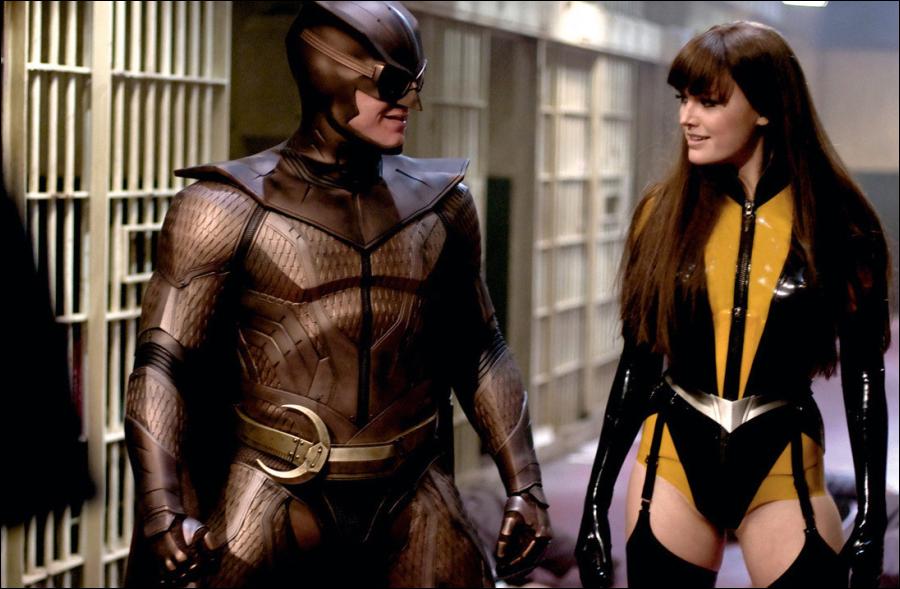
Based on the groundbreaking 1986 graphic novel by Alan Moore and Dave Gibbons, Watchmen is a complex, morally gray superhero mystery set in an alternate 1985 where costumed vigilantes once walked the streets — and the Cold War never ended.
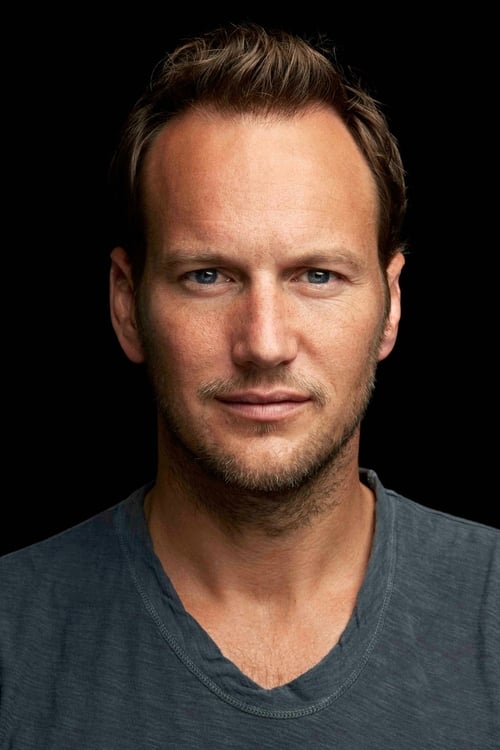
When Edward Blake, aka The Comedian, is brutally murdered, outlawed vigilante Rorschach (Jackie Earle Haley) begins investigating a deeper conspiracy targeting former heroes. As he reconnects with his old allies — including Nite Owl (Patrick Wilson), Silk Spectre II (Malin Åkerman), the godlike Doctor Manhattan (Billy Crudup), and the calculating Ozymandias (Matthew Goode) — secrets unravel that could change the course of history.
Stylish, faithful, and unafraid to ask big questions, Watchmen dives into the human (and inhuman) cost of power, identity, and control. This is not your typical superhero story — it’s a noir-drenched deconstruction of the genre itself.
Movie details
Watchmen Cast & Crew


Watchmen Review - 8/10 Rating
Watchmen is unlike any other comic book film — a dark, cerebral, and uncompromising adaptation of one of the most iconic graphic novels of all time. Director Zack Snyder captures the visual essence of the comic with stunning precision, recreating scenes panel-for-panel and saturating the world with style, violence, and moral ambiguity.
Jackie Earle Haley delivers a tour de force performance as Rorschach, nailing every gritty monologue and becoming the film’s most haunting presence. Billy Crudup brings an eerie detachment to Doctor Manhattan, a god among men struggling with what it means to be human. The ensemble cast is solid, and the film’s use of music — from Bob Dylan to Leonard Cohen — adds an ironic, melancholic beauty to the chaos.
The film doesn’t pull punches, confronting themes of power, politics, sexuality, and existentialism head-on. While some viewers found it dense or overly long, fans of the source material appreciated how closely it adhered to the comic’s core vision.
Watchmen isn’t a crowd-pleaser — it’s a provocation. And for that, we love it.
Watchmen Trivia
Did You Know?
- Years in Development Hell: Watchmen took over 20 years to make it to the big screen, with multiple studios, writers, and directors attached before Zack Snyder finally brought it to life.
- Comic Accuracy: Snyder used the original graphic novel as a visual storyboard, recreating many iconic scenes frame for frame — a rarity in comic adaptations.
- Different Ending: The film alters the ending from the comic — replacing the “giant squid” with a global energy attack blamed on Doctor Manhattan. It was a divisive but more streamlined change for general audiences.
- Rorschach’s Voice: Jackie Earle Haley developed Rorschach’s growling voice by channeling Travis Bickle (Taxi Driver) and Clint Eastwood — and it became instantly iconic.
- Big Blue Nudity: Doctor Manhattan’s CG form was fully motion-captured, and his full-frontal appearance sparked media conversation — something rare in superhero cinema.
- Director’s Cut & Ultimate Cut: Several versions of the film exist, including a Director’s Cut and an Ultimate Cut that includes Tales of the Black Freighter, an animated subplot from the comic.
- Alan Moore Disapproved: As with all adaptations of his work, writer Alan Moore refused to be credited or involved with the film — though illustrator Dave Gibbons supported the project.
- Zack Snyder Easter Eggs: Snyder included nods to DC Comics throughout the film — including a Batman reference and hidden logos — despite Watchmen existing in its own universe.
- Opening Credits Excellence: The opening montage, set to Bob Dylan’s The Times They Are A-Changin’, is widely praised as one of the best opening sequences in comic book movie history.
- Influence on Future Films: Watchmen paved the way for darker, R-rated comic adaptations like Logan, Deadpool, and The Boys — proving there’s an audience for mature, morally complex superhero stories.